Month: March 2026

Understanding Deviated Septum: Symptoms and Clinical Care

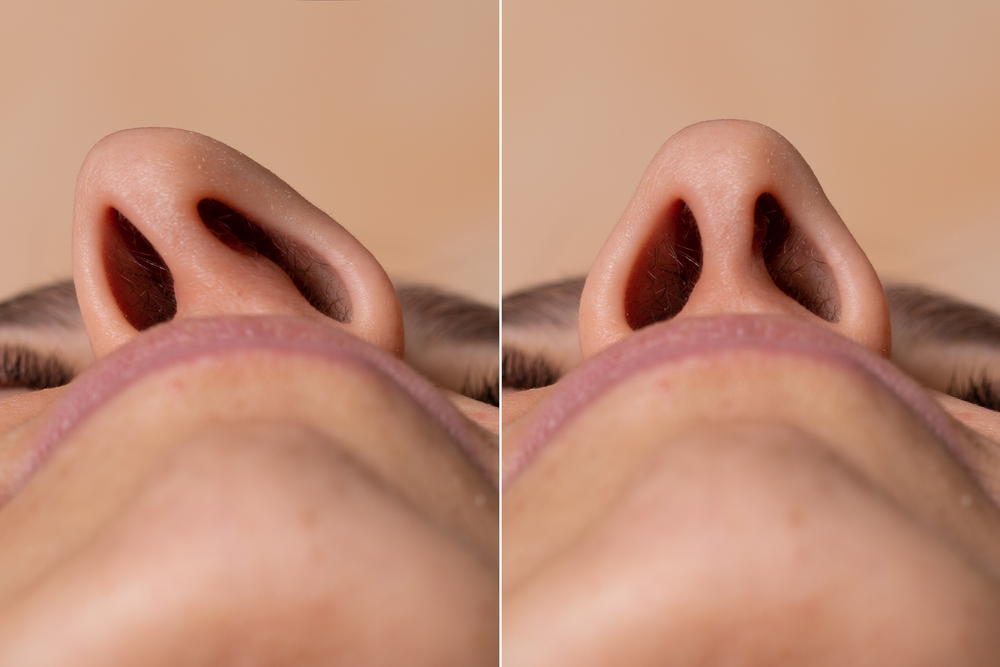
Lady with deviated septum

If you notice that a single nostril consistently feels more restricted than the other, you share a common experience. An off-center septum is a common condition that can affect breathing, sleep, and overall comfort, and it often occurs without people realizing the cause of their symptoms.

Grasping the symptoms of a deviated septum is the first step in choosing between basic symptom management and professional treatment.

What Is a Deviated Septum?

Anatomically, the septum is the thin partition of cartilage and bone separating the two sides of the nose. Ideally, it sits in the center of your nose. When it’s shifted to one side, it’s called a deviated septum.

The origin of a deviated septum may be congenital, or it may develop because of a nasal injury later in life. A minor shift might not cause problems, whereas a significant shift can create a major obstruction in the nose.

Recognizing Symptoms of a Deviated Septum

The presence of a deviated septum alters nasal airflow, resulting in a collection of signs that range from mild to intense.

Difficulty With Nasal Airflow

A primary indicator of this condition is the difficulty to draw breath through either nasal passage. You might identify these signs:

  • A perpetual sense of nasal fullness
  • The ability to breathe with greater ease through one nostril
  • Nasal issues that flare up during allergic reactions or infections

Long-Term Congestion Issues

While cold-related stuffiness is temporary, the congestion from the deviation usually:

  • Does not resolve with the changing seasons
  • Doesn’t fully respond to allergy medications
  • Presents as a permanent anatomical issue rather than temporary inflammation

Sleep Disruptions and Snoring

A blockage in the nasal airway may lead to:

  • Regular snoring patterns
  • Resorting to breathing through the mouth during sleep
  • Disturbed or non-restorative sleep

For certain patients, a deviated septum intensifies other sleep-disorder breathing conditions.

Frequent Nosebleeds

The imbalance of air can cause the mucosa of the nose to become irritated and dehydrated. Such dryness frequently leads to:

  • Frequent episodes of nasal bleeding
  • The formation of dry tissue within the nostril
  • Sustained tenderness within the nasal cavity

Comparing Allergic Symptoms to a Deviated Septum

Symptoms of the deviation often mimic allergies, making it important to understand the distinct causes.

Signs of a Structural Deviation:

  • Are frequently limited to a single nostril of the nose
  • Remain constant throughout all seasons
  • Fails to resolve fully with allergy medications

Symptoms Related to Allergies:

  • Generally cause congestion across the whole nasal airway
  • Are often accompanied by itchy eyes and sneezing
  • Often improve with antihistamines or nasal sprays

When these two issues coexist, they can create a compounding effect on nasal discomfort.

When to Address Your Deviated Septum

Professional medical advice should be sought when:

  • You struggle to breathe clearly through your nose every day
  • Rest and snoring issues start to impact your health
  • Episodes of nosebleeds start to happen more often
  • Congestion doesn’t improve with medication
  • Your daily comfort is impacted by nasal issues

An evaluation can help determine whether symptoms are structural, inflammatory, or a combination of both.

Septoplasty: A Treatment Option for Deviated Septum

Clinical septoplasty is the standard procedure designed to straighten the nasal partition and enhance airflow. This option is usually explored if symptoms continue despite the use of non-surgical therapies.

The Benefits Of Septoplasty can include:

  • Significantly enhance nasal airflow
  • Eliminate persistent nasal fullness
  • Improve the sleep environment by stopping snoring
  • Prevent further episodes of chronic nosebleeds

A professional consultation will help decide if surgery is the best path for your unique situation.

Your Journey to Relief from a Deviated Septum

While a deviated septum is quite prevalent, it is also highly manageable with the right care. When congestion and snoring disrupt your life, discovering the source of the problem is the primary step to relief.

We can help clarify what’s contributing to your symptoms and guide you toward options that improve comfort, airflow, and quality of life. Call our specialists today if you are ready to address your deviated septum and reclaim your quality of life.

The Importance of Not Disregarding Temporary Auditory Muffles

Lady having trouble hearing due to hearing loss

Many people find it simple to ignore transient auditory changes. Perhaps you experience a sensation of ear fullness following air travel. You might find that everything sounds fuzzy after exposure to concert-level decibels. Maybe a morning arrives where environmental sounds feel detached and lacking in clarity.

These occurrences often self-correct, leading many to conclude that transient hearing issues are not dangerous. Typically, these changes do not indicate a lasting problem. However, understanding temporary hearing loss causes and knowing when to seek medical attention are both essential to protecting your long-term hearing health.

The Definition of a Brief Shift in Hearing Ability

Short-term hearing loss involves a temporary dip in sound perception that generally ends once the source of the problem is fixed or dissipates.

Common signs include:

  • Dull or strangely altered auditory perceptions
  • A sensation of pressure within the ear canal
  • Challenges in deciphering spoken words
  • The presence of internal ear ringing or clicking sounds
  • Heightened reactions to environmental sounds

Though these indicators may appear insignificant, they are warnings from your ears that their standard performance is being compromised.

Typical Origins of Transient Auditory Changes

Temporary hearing impairment arises from several documented issues, the majority of which are manageable.

Accumulated Ear Canal Wax

One of the leading factors in brief hearing loss is clogged earwax. When wax builds up and blocks the ear canal, sound waves can’t travel efficiently to the eardrum. A clinical ear irrigation frequently brings back hearing immediately.

Professional tip: Small amounts of earwax can be safely addressed at home by using softening solutions and a soft bulb syringe flush. That said, do not use cotton swabs or any tools inside the ear, as this can drive wax inward, lead to trauma, or harm the eardrum.

Fluid in the Middle Ear

Colds, sinus congestion, and hay fever can cause moisture to gather behind the eardrum. This medical state, referred to as otitis media with effusion, often causes audio to seem muffled or submerged. As the inflammation fades, auditory clarity generally recovers.

Excessive Noise Events

Loud noise events like concerts, sporting events, or heavy machinery can temporarily damage the tiny hair cells inside the inner ear. This specific auditory dip is identified as a temporary threshold shift. While hearing often returns within hours, repeated exposure increases the risk of permanent damage.

Atmospheric Pressure Fluctuations

Air travel, scuba diving, or rapid elevation changes can create pressure differences that affect hearing. Most instances clear up once the ears pop, yet lasting symptoms require an evaluation.

Some Prescriptions

Some medications may temporarily affect hearing or cause tinnitus. Should you detect auditory shifts after beginning a new drug, you must consult your doctor.

When Hearing Loss Isn’t So Temporary

While many instances clear up naturally, some short-term hearing drops do not self-correct. Sudden hearing loss in one ear, especially if it develops over hours or days, is considered a medical emergency and requires immediate evaluation.

Dismissing the indicators could slow down the response to infections, swelling, or precursors of major conditions. In some cases, what seems temporary may actually be early permanent hearing loss that would benefit from prompt care.

Reasons to Seek a Fast Evaluation for Temporary Hearing Loss

Auditory health is vital for effective talking, physical stability, and brain function. Even fleeting hearing gaps can boost stress, create communication breakdowns, and interfere with your life.

A professional exam can reveal if your issues are just a common temporary drop or a more serious condition. Identifying the problem early usually results in easier and more successful treatments.

Do Not Disregard Shifts in How You Hear

Should your hearing feel dampened, full, or just wrong, reach out to an ear expert or ENT physician. Short-term hearing changes are often manageable if the original trigger is found.

If you detect auditory fluctuations, we recommend scheduling a professional exam today. Contact our office to book your evaluation now. Safeguarding your ears today helps ensure your hearing lasts for the long term.