Author: Southern California Ear, Nose & Throat

When to Upgrade to an Otolaryngologist: Symptoms That Demand Specialized Care

Patient seeing ENT doctor

Most people start with their primary care doctor when something feels off, including issues with their ears, nose, and throat. And that’s exactly the right first step. Many issues are mild and easy to treat, and your primary care physician can offer effective guidance and care.

But when symptoms linger or don’t improve, it could be time to see a specialist. In particular cases, advanced ENT diagnostics are required to map out and treat the deeper mechanisms behind your ongoing discomfort. Understanding when to escalate your care minimizes long-term discomfort, allowing you to regain your quality of life and feel normal once more.

To guide your healthcare choices, we will review the specific capabilities of an ENT and the exact symptoms that mean it is time to book an appointment.

Understanding the Specialized Scope of an Otolaryngologist

An ENT—clinically designated as an otolaryngologist—undergoes years of dedicated residency training focusing exclusively on pathologies of the head, neck, and cranial nerves. These areas include delicate structures that often require a more detailed evaluation than a standard exam offers.

To achieve this clarity, otolaryngologists utilize high-definition nasal endoscopes, surgical microscopes, and fiber-optic cameras to inspect deep tissue structures. This advanced optical hardware enables them to confirm complex diagnoses that cannot be detected during a standard checkup.

In-office capabilities include specialized foreign body removals, comprehensive endoscopic evaluations of the nasopharynx, and dynamic stroboscopy for voice assessment. When a condition is more complex or simply not improving with basic treatment, an ENT has the training and equipment to get to the root of the problem so you can finally find relief.

Eight Symptoms That Warrant an Immediate Otolaryngology Referral

Persistent Sinus Discomfort: When It’s Time for Specialist Intervention

If you have spent over three months battling ongoing nasal blockages, standard maxillary pressure, or repeating infections, a basic viral cold has been ruled out. An ENT can look inside your nasal passages to check for issues like polyps, a deviated septum, or blocked drainage pathways.

Ear infections that don’t fully resolve

Occasional ear infections happen, but repeated or lingering infections could be signs of an underlying issue. To investigate, an ENT utilizes high-magnification binocular otoscopy and tympanometry to evaluate the compliance of the tympanic membrane and trace the root pathology.

Auditory Deficits: Assessing Sudden or Progressive Hearing Loss

A sudden loss of hearing, especially in one ear, should be treated as an urgent matter. Thankfully, prompt medical management inside a tight window drastically elevates the likelihood of full auditory restoration. Gradual losses in processing speech also require a formal medical workup so that customizable treatment plans can be successfully deployed.

Chronic Equilibrium Deficits: Assessing Inner Ear Balance Distortions

Should you suffer from chronic unsteadiness or sudden room-spinning sensations, your internal balance mechanisms are likely malfunctioning. An otolaryngologist is uniquely equipped to differentiate between Benign Paroxysmal Positional Vertigo (BPPV), endolymphatic hydrops (Ménière’s disease), or vestibular neuritis.

Voice Alterations and Hoarseness Exceeding Fourteen Days

A short-term loss of vocal power following a typical head cold is completely normal. But if you remain hoarse or sound breathy for over three consecutive weeks, closer diagnostic inspection is a medical necessity. An ENT can examine your vocal cords directly to check for irritation, nodules, or other concerns.

Snoring and constant daytime fatigue

Disruptive snoring, choking sensations during the night, and unyielding morning fatigue frequently signal an upper airway collapse during sleep. An otolaryngologist can thoroughly evaluate your upper airway anatomy, identify localized sites of collapse, and oversee polysomnography testing to establish an effective treatment plan.

A lump in the neck that hasn’t gone away

Many neck lumps are harmless, but anything that lasts more than 2–4 weeks should be checked. This complex anatomical zone houses major lymphatic networks, thyroid tissue, and salivary systems that demand expert diagnostic review.

Refractory Environmental Allergies and Treatment-Resistant Rhinitis

When seasonal or perennial allergic rhinitis exhibits total resistance to standard commercial antihistamines and corticosteroid nasal sprays, generalized medical management has hit its ceiling. If antihistamines and sprays aren’t helping, an ENT can perform allergy testing and recommend more targeted treatments, including prescription options or immunotherapy.

Do You Need a Referral to See an ENT?

In many cases, you can schedule an ENT appointment without a referral. Nevertheless, certain managed care programs require an official insurance referral written by your family doctor to avoid out-of-network penalties.

If you need help determining your plan rules, a straightforward call to your insurer—or directly to our administrative team—will clarify the path forward. Our administrative staff is entirely prepared to navigate the prior-authorization landscape on your behalf to guarantee a seamless onboarding experience.

Reclaiming Comfort: Your Journey to Advanced Specialist Resolution

Do your current physical struggles align with any of the clinical red flags outlined above? Especially if you’ve been dealing with them for weeks or months on end, now may be a good time to see a specialist. The reality is that chronic head and neck conditions almost never spontaneously resolve without expert medical rehabilitation. Fortunately, once an accurate structural diagnosis is established, these ailments possess high clinical resolution rates.

Our clinical practice features the advanced technology and specialist skillsets necessary to pinpoint your problem and accelerate healing. Call us today to schedule your appointment to get started!

Understanding Chronic Dizziness: What Your Inner Ears Are Trying to Say

Lady leaning on a wall because she is dizzy

Whether rising to your feet, turning around quickly, or simply rolling over during sleep, the environment suddenly starts spinning. Perhaps you experience a persistent spatial disorientation or unsteadiness that refuses to clear up. Dizziness can be unsettling, and for many people, the first thought is whether something is seriously wrong.

Happily, medical data shows that most balance problems have a straightforward explanation and a high recovery rate. Statistically, a malfunction deep inside the auditory and vestibular pathways is what usually triggers the spins. Gaining insight into your body’s balance mechanisms and knowing when to consult a specialist offers reassuring clarity.

The Direct Link Between Inner Ear Health and Balance

Your internal ear houses an intricate, high-precision anatomical complex that governs your physical equilibrium. This structure is the vestibular system, featuring minute, fluid-filled pathways that map your physical velocity and gravitational orientation for the brain.

When this system is working properly, your brain, eyes, and body stay in sync. Yet, if an underlying pathology warps these delicate fluid movements, your cranial processing centers become flooded with chaotic messages. For example, your vision confirms you are sitting completely still, but your inner ear structures broadcast that you are in rapid motion. This exact neurological conflict generates the agonizing, false illusion of motion known as true vertigo.

Despite how terrifying the room-spinning feels, these symptoms are seldom linked to severe cerebral diseases or cardiovascular events. More often, it’s an ear-related issue that can be identified and treated. Otolaryngologists specialize in evaluating these complex sensory systems to eliminate the root cause, helping you return to a life free of instability.

What Is Causing Your Vertigo? Four Frequent Diagnoses

BPPV (Benign Paroxysmal Positional Vertigo)

Among all balance disorders, this mechanical issue is responsible for the highest volume of patient visits. It occurs when tiny calcium crystals in the inner ear become dislodged and move into the wrong part of the balance canals. This displacement means that standard motions—such as sitting up quickly or looking at a high shelf—provoke rapid, intense spinning episodes. Regardless of how alarming the sudden loss of orientation feels, it is not a sign of physical degeneration. Most patients find immediate, long-lasting relief through a non-invasive physical adjustment executed by an ENT specialist during a standard visit.

Ménière’s Disease

This condition is linked to changes in fluid pressure within the inner ear. People often experience episodes of vertigo along with ringing in the ear (tinnitus) and a feeling of fullness or pressure. As the disease progresses, fluctuating sensorineural hearing loss can become permanent. Treatment can include dietary changes, medication, and sometimes procedures to reduce inner ear pressure.

Inflammatory Conditions: Labyrinthitis and Vestibular Neuritis

These diagnoses center on a sudden swelling or viral irritation of the inner ear labyrinth or the main balance nerve tract. They can cause sudden, intense dizziness that can last for days. Granted, the initial presentation feels like a critical emergency, but the inner ear tissues typically heal and self-correct over subsequent weeks. Therapeutic goals prioritize short-term vestibular suppressants to control nausea, anti-inflammatory medications, and targeted physical rehabilitation.

Eustachian Tube Dysfunction

The eustachian tube serves as the primary pressure equalization valve for your middle ear cavity. When mucosal edema prevents this valve from opening and closing rhythmically, a negative pressure vacuum or serous fluid effusion develops, impairing balance. Such blockages are highly prevalent among patients navigating environmental allergies, common head colds, or structural sinus issues.

Recognizing Emergency Symptoms Associated with Vertigo

To be clear, most vestibular issues are safe to evaluate outpatient, but certain neurological crossovers require an emergency room visit. The warning signs listed below indicate potential central nervous system involvement or vascular events that require instantaneous diagnosis. For non-emergent patterns like chronic motion sensitivity, recurring spells, or general gait instability, a specialized ENT clinic is the perfect place to find answers.

Please proceed directly to the nearest emergency department if your loss of balance occurs alongside any of the following symptoms:

  • The instantaneous onset of an excruciatingly intense headache with no prior medical history
  • Double vision, slurred speech, facial drooping, or weakness in the arms
  • Any blunt force cranial trauma or deceleration injury sustained immediately prior to the vertigo flare
  • An instant loss of hearing in a single ear paired with an intense, unremitting attack of vertigo

The Clinical Protocol: Your Comprehensive ENT Balance Evaluation

An expert ENT evaluation for vestibular complaints is highly systematic, designed specifically to uncover answers that general exams miss. The initial phase involves deep clinical interviewing to map out the frequency, lifestyle impact, and unique physical triggers of your symptoms.

We will then perform a detailed physical examination of your ears, complemented by in-office balance, gait, and head-tracking assessments. Because your hearing and balance centers live side-by-side in the temporal bone, a professional baseline audiometric test is almost always ordered.

In some cases, we may recommend additional testing or imaging. The encouraging reality is that primary conditions—particularly BPPV—can be definitively diagnosed and permanently corrected right in the chair during your initial consultation.

Reclaiming Stability: Your Path to a Life Free of Vertigo

Chronic, recurrent spatial disorientation is not a life sentence, nor is it a symptom you must learn to tolerate in isolation. With our dedicated diagnostic protocols, we can reveal the true source of your dizziness and build an immediate, highly effective recovery plan. Our specialized clinical team is entirely dedicated to uncovering the definitive root cause of your equilibrium deficits.

We pride ourselves on guiding patients out of constant disorientation and back into active, confident living. Call us today to schedule your appointment. In fact, numerous individuals find definitive answers and physical resolution during their initial consultation after struggling alone for months!

Why Do I Keep Getting Sinus Infections? When It’s Time to See an ENT

Girl with sinus infection

Dealing with persistent sinus pressure and recurring infections should not be considered a standard baseline for your health. Recurring sinus infections point to a deeper issue, and the standard round of antibiotics is unlikely to clear it up.

A board-certified ENT can provide the diagnostic clarity needed to develop a recovery plan centered on your unique sinus pathology. Chronic sinusitis suggests that the source of the inflammation is still present, explaining why temporary antibiotic relief rarely lasts.

While managing individual infections provides brief comfort, it does not address the physiological mechanics that drive the recurrence. Let’s examine the common causes of drainage failure and determine when an ENT consultation is required.

Defining Chronic Sinusitis: Frequency and Duration Metrics

Incidental bouts of acute sinusitis are a frequent occurrence for many individuals. Many people get one a year, often after a cold or seasonal allergies. Under these circumstances, the inflammation generally resolves with conservative management or supportive care.

If your sinus symptoms begin to cluster or refuse to resolve, the clinical picture changes significantly. Clinically, experiencing four or more annual episodes or symptoms persisting for 12 weeks suggests a diagnosis of chronic sinusitis.

Once sinusitis becomes chronic, antibiotics lose their efficacy because they do not correct the underlying mucociliary dysfunction. This threshold marks the limit of general medicine, necessitating a referral to an otolaryngologist.

What Really Drives Chronic Sinus Inflammation?

When sinus infections keep coming back, it’s rarely because your body is “just prone to them.” Usually, an identified obstruction is preventing the sinuses from ventilating and draining as they should.

Some of the most common causes include:

  • Deviated septum 
    The wall between your nostrils is off-center, which can block airflow and trap mucus. Antibiotics may clear an infection, but the blockage remains, making it easier for the next infection to develop.
  •  

  • Nasal polyps 
    These are soft, noncancerous growths inside the nasal passages that can restrict airflow and drainage. Since polyps aren’t always visible externally, they frequently go undiagnosed without a specialist’s exam.
  •  

  • Uncontrolled allergies 
    Ongoing inflammation from allergies can keep your sinuses swollen. This constant inflammation prevents the sinuses from self-cleaning, leading to a build-up of infected mucus.
  •  

  • Structural blockages 
    Some patients naturally possess narrow sinus pathways that are predisposed to trapping bacteria and debris. These narrow channels serve as a breeding ground for persistent bacterial colonization.


It is essential to understand that these problems are mechanical or inflammatory in nature. Antibiotics target the microbial presence without addressing the structural reason the bacteria gathered there.

Frequent antibiotic use throughout the year carries significant health risks. Overuse can lead to antibiotic resistance and disrupt beneficial gut bacteria. Ultimately, treating the symptoms with drugs alone can be counterproductive to your long-term wellness.

Advanced ENT Solutions for Persistent Sinusitis

Specialists offer a more comprehensive assessment because they can directly observe the sinus outflow tracts. With tools like nasal endoscopy and, when needed, imaging such as a CT scan, ENTs can look inside your sinuses and see what’s blocking proper drainage.

Identifying the root cause allows for a therapeutic strategy that is highly specific to your needs. If allergies are driving your symptoms, treatment can focus on reducing inflammation. For mechanical blockages, an ENT can perform procedures designed to permanently open the sinus pathways.

Balloon Sinuplasty offers a gentle, non-surgical way to reshape the sinus pathways and stop the cycle of infection. For many patients, it can significantly reduce the frequency and severity of infections. By focusing on the structural source, the ENT provides a lasting solution rather than a temporary fix.

Recognizing the Need for Professional Sinus Intervention

Patients can look for specific clinical patterns to determine if a specialist is necessary. If any of these symptoms sound familiar, it’s reasonable to take the next step:

  • Experiencing three or more annual episodes of sinusitis
  •  

  • Persistent sinus symptoms exceeding a three-month duration
  •  

  • Antibiotics that help briefly, but symptoms return soon after
  •  

  • Sinus pressure that interferes with sleep or daily life
  •  

  • Loss of smell that doesn’t return after an infection
  •  

  • Dizziness or balance issues along with sinus symptoms


Ending the Cycle of Chronic Sinusitis

Recurring sinus infections can wear you down, but they usually can be addressed. Once we identify the mechanical or systemic trigger, the path to relief becomes very clear.

By focusing on your unique clinical profile, we build a treatment plan that delivers real results. Reach out to us today to book your consultation and take the first step toward relief. Relief starts with the right answers!

Navigating Nasal Polyp Surgery: Procedure and Recovery

Woman holding her nose

If an endoscopic sinus surgery is in your near future, it is normal to have questions about the various stages of the procedure. Fortunately, this intervention—clinically referred to as **Functional Endoscopic Sinus Surgery (FESS)**—is a frequent and well-established procedure. Best of all, most people find that the procedure significantly improves their breathing and quality of life.

Understanding the step-by-step progression of the surgery and recovery helps set realistic expectations for your clinical outcome.

Preoperative Protocols for Nasal Polyp Removal

In the weeks preceding the surgery, you will receive precise medical guidelines to prepare your body for the intervention. It is common to use medications in the weeks prior to surgery to optimize the health of the nasal lining. Specific sprays may be utilized to contract the polyps, making the surgical removal more precise.

A comprehensive medical assessment will be conducted to discuss your health history and current drug interactions. For instance, you will likely be instructed to suspend anti-platelet drugs like aspirin to prevent complications with intraoperative hemostasis. To minimize anesthetic risks, you will be asked to maintain an empty stomach on the morning of your surgery.

The Procedure: How Nasal Polyps Are Removed

The procedure is usually conducted while the patient is under general anesthesia, providing a controlled and comfortable surgical experience. In some cases, local anesthesia may be used, but this depends on the specific case and the surgeon’s recommendation.

Using specialized endoscopic cameras, the surgical team navigates the internal nasal structures with extreme visual clarity. By utilizing the nostrils as a gateway, the surgeon can clear the sinuses without the trauma of facial incisions. The surgeon meticulously clears the obstructive tissue, ensuring the airway is fully patent and functional.

Expect the surgical phase to last approximately 30-60 minutes as the surgeon carefully clears the sinus pathways. Since it’s minimally invasive, most patients can go home the same day.

Immediate Postoperative Care and Observations

Your initial recovery takes place in a dedicated room where specialists ensure you are waking up safely. It is typical to feel a sense of disorientation and significant nasal stuffiness in the first few hours. The absence of facial incisions means that your recovery is free from external wound care or scarring.

The surgeon may utilize dissolvable packing or temporary gauze to provide internal pressure and support healing. It is normal to see minor pinkish discharge for a day or two before the nasal lining begins to seal. You’ll likely be given pain relievers to manage any discomfort, though many patients report minimal pain following nasal polyp surgery.

The Healing Timeline: Your Guide to Post-Op Recovery

Recovery from a polypectomy is usually uncomplicated, provided you follow the clinical guidelines provided by your surgeon. Patients should anticipate the following recovery milestones:

  • Downtime: Plan for several days of minimal activity to prevent unnecessary physical strain. Refrain from vigorous exercise or heavy lifting, as increased blood pressure can trigger nasal hemorrhage.
  • Nasal Hygiene: Your surgeon will provide a specific protocol for maintaining the cleanliness of the surgical site. You will likely use saline “sinus rinses” to clear away crusting and ensure the mucosa remains hydrated. Avoid blowing your nose too hard, as this can disturb the healing tissues.
  • Clinical Follow-Ups: You will return to the office for periodic checks to ensure the sinuses are healing correctly. Your surgeon will use an endoscope during these visits to verify that the sinuses remain open and are healing without scar tissue.
  • Resuming Daily Life: You can generally expect to return to your normal schedule within a week of the surgery. Full recovery may take a few weeks, during which your breathing will continue to improve as inflammation subsides.

Nasal Polyp Surgery

This minimally invasive intervention offers a reliable path toward ending chronic congestion and sinus pressure. Understanding the surgical timeline empowers patients to approach the procedure with confidence and a focus on healing.

Your commitment to the aftercare plan is the final key to a permanent and positive surgical result. If you have any concerns during recovery, don’t hesitate to reach out for guidance!

Why Do I Keep Getting Dizzy? What Your Ears Might Be Telling You

You stand up, turn your head, or roll over in bed, and suddenly the room spins. Or maybe you feel “off-balance” and that feeling doesn’t go away. Dizziness can be unsettling, and for many people, the first thought is whether something is seriously wrong.

The good news is that most dizziness has a clear, treatable cause. In fact, the inner ear is responsible for many cases of “the spins.” Understanding how this system works and when to seek help can bring much-needed clarity and peace of mind. Continue reading “Why Do I Keep Getting Dizzy? What Your Ears Might Be Telling You”

Post-Nasal Drip: When to Worry and When to Wait

Woman experiencing post-nasal drip symptoms

Almost every individual has encountered the discomfort of post-nasal drip, which manifests when a surplus of mucosal secretions accumulates in the nasopharynx. Instead of draining normally through the nose, the mucus slides down the throat, creating the feeling that something is constantly stuck or dripping.

Although it is a source of frustration, the majority of post-nasal drip instances do not signal a medical crisis. In the following sections, we explore the primary triggers for post-nasal drip, its clinical duration, and the criteria for an ENT consultation.

What Is Post-Nasal Drip?

Most instances of acute post-nasal drip are self-limiting, often coinciding with upper respiratory infections, allergic rhinitis, or viral cycles. Should the irritation continue for a month or disrupt your routine, it likely points toward a more complex diagnosis.

By grasping why this mucus forms, you can better determine if your case warrants a professional ENT review.

Common Causes of Post-Nasal Drip

Multiple variables can lead to the development of post-nasal drip, typically rooted in sinonasal mucosal inflammation.

Allergic Rhinitis and Post-Nasal Drainage

Environmental hypersensitivity is a primary driver of chronic post-nasal drip, occurring when the nasal mucosa enters a state of hyper-secretion upon exposure to irritants. The resulting thick secretions descend posteriorly, prompting a persistent, dry hack or laryngeal irritation.

When Post-Nasal Drip Transitions from Minor to Chronic

Transient cases of the “drip” are usually self-correcting once the initial cold or allergy season passes. Most patients see total resolution of symptoms as soon as the primary inflammatory trigger is removed.

Conversely, chronic post-nasal drip follows a much more stubborn path, signaling an ongoing problem if it exceeds a three-week duration or resists standard OTC meds.

Long-term management requires a shift toward diagnostic clarity rather than simply treating the discomfort.

Criteria for a Professional ENT Consultation

If your symptoms are chronic or obstructive, a specialist’s review is the most effective next step to regain comfort. You should be alert for symptoms like voice hoarseness, painful swallowing, or localized sinus pressure that refuses to dissipate.

Your doctor will utilize an otoscope or endoscope to check for signs of chronic inflammation, LPR, or mucosal damage. With a proper diagnosis, even the most stubborn cases of drainage can be resolved or significantly improved.

Find Relief From Post-Nasal Drip Symptoms

While usually a nuisance, post-nasal drip should be treated as a medical priority if it impacts your daily function. Observations regarding the timing and nature of your drip are vital for developing a professional treatment plan.

When self-care reaches its limit, a specialist can provide the diagnostic clarity needed for real recovery. Call our office for a consultation today. With the right diagnosis and treatment plan, we help many patients reduce symptoms and return to breathing comfortably again.

The Neurological Impact of Hearing Aids on Cognitive Health

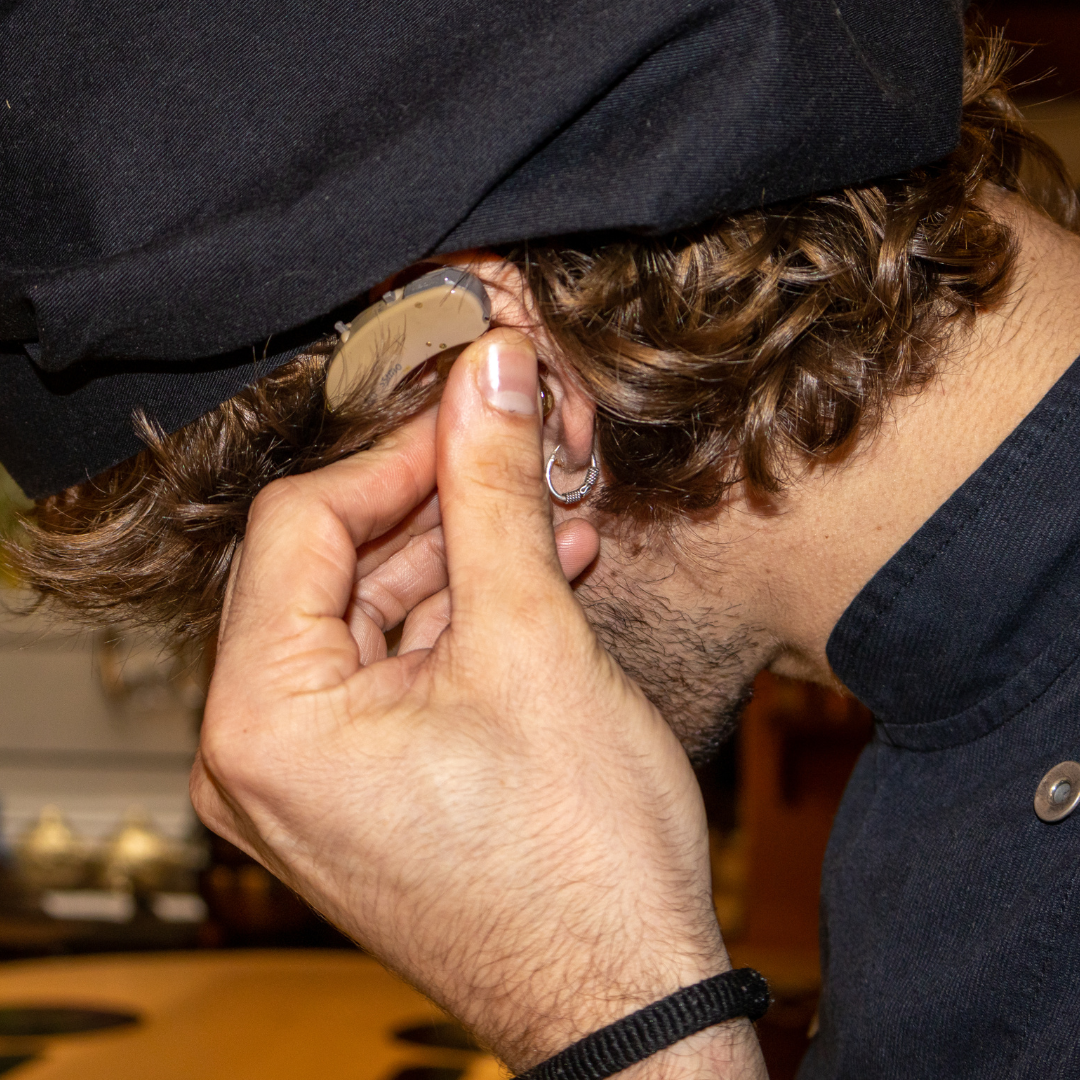
Lady using hearing aids

While most assume hearing is localized to the ears, the brain serves as the primary engine for auditory interpretation. While the ears capture raw acoustic vibrations, the brain performs the heavy lifting of decoding them into language and thought.

When hearing loss develops, the brain receives less information about sound. Over time, reduced stimulation can make listening more difficult and put additional strain on cognitive functions like memory and attention.

Fortunately, contemporary hearing aids are advanced digital processors, not just simple amplifiers. They help restore critical auditory signals, letting the brain stay actively engaged in processing speech and environmental sounds.

This overview is designed for individuals ready to explore professional hearing rehabilitation. In the following sections, we explore the synergy between hearing technology and cognitive longevity through early intervention.

How the Ears and Brain Collaborate to Process Sound

The act of hearing is a sophisticated biological collaboration between the peripheral and central systems.

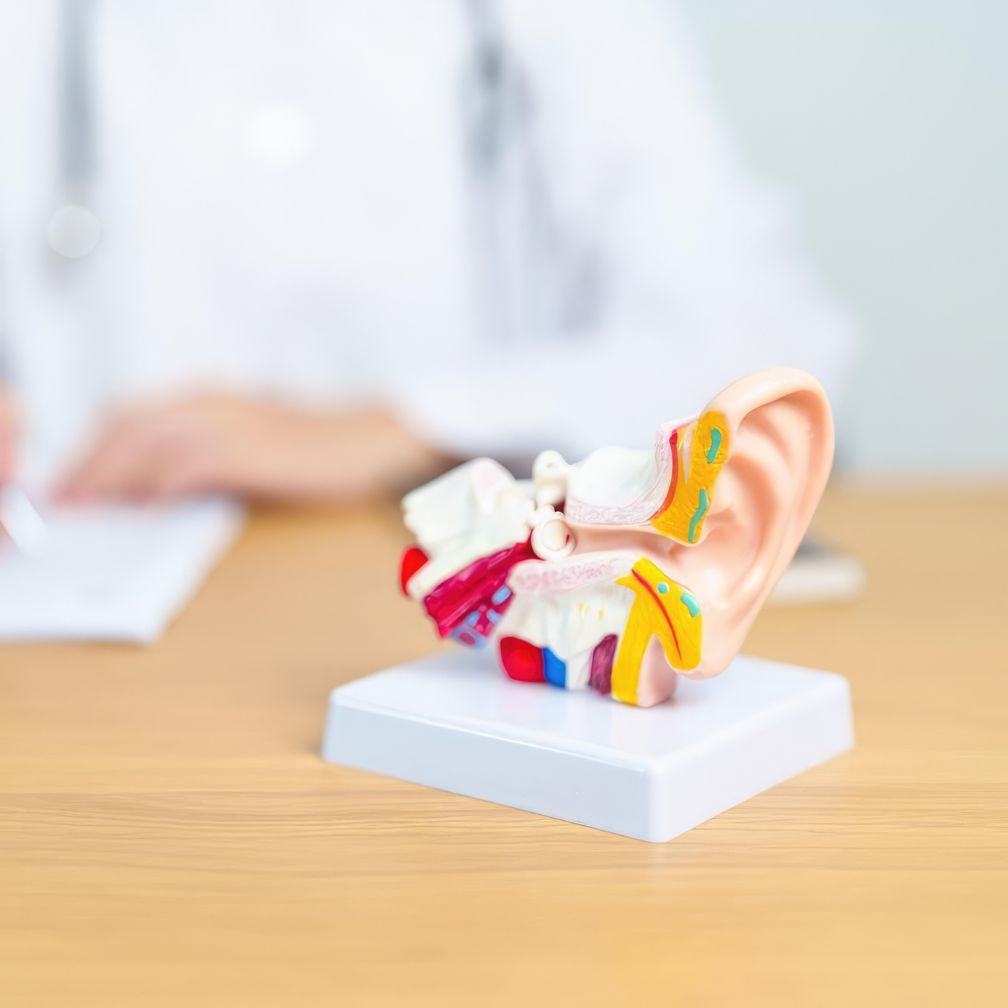
The process begins as sound waves strike the eardrum after traveling through the ear canal. The middle ear bones relay this energy to the hair cells of the inner ear, which translate movement into bio-electrical data.

The auditory nerve acts as the data link to the brain, which then executes several vital functions upon arrival:

  • Identifying speech sounds
  • Isolating specific voices in complex acoustic settings
  • Interpreting tone, emotion, and meaning
  • Mapping auditory input to existing linguistic frameworks and memories

In other words, hearing involves significant cognitive processing, not just physical sound detection.

Consequences of Neglecting Hearing Loss Treatment

An unmanaged auditory deficit triggers a massive increase in cognitive load for the brain.

The Decline of Sound-Processing Pathways

Governed by the “use it or lose it” law of synaptic plasticity, auditory centers that lack input begin to undergo neural atrophy. The longer the brain is deprived, the harder it becomes to relearn how to interpret sound later.

Increased Risk of Cognitive Decline

Several studies have found a link between untreated hearing loss and an increased risk of cognitive decline in older adults. This “cognitive siphoning” happens when the brain redirects focus from memory and logic to the exhausting task of hearing.

How Hearing Loss Influences Emotional Well-being

Communication struggles frequently lead to a decrease in social participation as people retreat from hard-to-follow conversations. Long-term social retreat is known to accelerate brain aging and increase the risk of depression and chronic loneliness.

How Modern Hearing Aids Stimulate the Brain

The good news? Modern hearing aids are designed to do far more than simply make sounds louder. They help deliver clearer, more complete sound information to the brain.

Clearer Sound Input

Hearing aids restore many of the frequencies that hearing loss may reduce or eliminate. This complete data set allows the brain to decode language without the stress of constant guesswork.

Lowering the Mental Effort of Listening

Without hearing aids, the brain often has to fill in missing pieces of speech. This constant “guessing” can be mentally exhausting. Hearing aids reduce this strain by delivering clearer sound, allowing the brain to process speech more efficiently.

How Hearing Aids Free Up Brain Power for Focus

By reducing the cost of hearing, the brain can focus its energy on remembering the content of the dialogue.

What Research Says About Treating Hearing Loss and Brain Function

Emerging clinical evidence suggests a strong protective effect of hearing aids, with treated patients showing significantly slower rates of cognitive decline.

By leveraging neuroplasticity, the brain can “re-learn” how to interpret sound environments through amplification. Technology ensures the brain stays “plugged in” to its environment, preventing the atrophy associated with auditory deprivation.

Hearing Loss: Why Early Treatment Matters

Waiting too long to treat hearing loss can increase mental strain during conversations and reduce stimulation to the brain’s auditory centers.

On the other hand, early treatment allows the brain to continue receiving the sound input it needs to stay active and adaptable. Early adopters of hearing tech generally experience a smoother transition and superior long-term results.

Who Benefits Most From Hearing Aids?

Modern devices are highly beneficial for anyone experiencing the following:

  • Adults older than 50
  • People who find social gatherings or busy restaurants particularly challenging
  • Those who perceive a high level of effort during daily talk
  • Individuals who find themselves frequently asking for repetition

If you recognize these patterns, our specialists can help you find a solution that supports both your ears and your brain.

FAQs About Hearing Aids and Brain Health

Do hearing aids prevent dementia?

Clinical evidence shows that treating hearing is one of the most effective ways to slow the progression of cognitive issues.

How long does it take for the brain to adjust to hearing aids?

The brain generally completes its primary “re-learning” phase within a few months, gradually waking up to forgotten sound data.

Can Technology Help Me Remember Conversations Better?

While they aren’t “memory pills,” hearing aids free up the cognitive space needed for better recall by lowering the cost of hearing.

Taking the Next Step for Your Brain Health

Healthy hearing plays an important role in staying socially engaged, mentally active, and cognitively sharp. Modern hearing aids can restore important sound signals and help the brain process speech more comfortably.

Our specialists are ready to discuss the link between your hearing and your mind—reach out to our care team today for a consultation.

How Earwax Builds Up and When You Need Professional Removal

Lady putting a cotton swab in her ear

In a healthy ear, earwax gradually migrates to the outer opening and is naturally eliminated during washing. This self-cleaning process usually keeps the ears balanced without any need for intervention.

Complications develop when the rate of earwax accumulation outpaces the body’s ability to shed it. Let us investigate why accumulation happens and how to distinguish between minor issues and a professional earwax blockage.

The Biological Function of Cerumen

While often viewed as a nuisance, earwax serves as a vital defensive barrier for the auditory system. By utilizing its sticky consistency, cerumen prevents debris and microorganisms from entering the sensitive deeper ear. Furthermore, its lipid content ensures the ear canal remains moisturized and resistant to external irritants.

Why Earwax Sometimes Builds Up

Various environmental factors and behaviors can hinder the natural migration of cerumen, leading to buildup. When earwax becomes impacted, it may lead to symptoms such as muffled hearing, ear fullness, ringing in the ears, dizziness, or discomfort.

The most common reasons for aural blockages are:

Mechanical interference with Q-tips

Using applicators often results in pushing earwax into the bony portion of the canal where it cannot escape. Sustained use of these tools eventually creates a dense, hardened impaction.

Hearing aids or earbuds

Equipment that sits within the ear often forces wax back into the canal, leading to impaction.

Anatomical variations like stenotic or tortuous canals

Individual anatomy, such as a sharp canal bend, can trap wax and prevent natural shedding.

Biological predisposition to high wax volume

Biological factors can cause some individuals to generate a surplus of earwax.

Safe Protocols for At-Home Cerumen Management

If earwax buildup is mild, you can take a few safe approaches that may help soften or loosen the wax. For instance:

  • Specialized drops available at pharmacies can emulsify hardened cerumen.
  • Rinsing the ear with a low-pressure bulb syringe and warm water helps clear loosened debris.
  • A small amount of peroxide can help detach wax from the canal wall before it is flushed out.

Such interventions are often sufficient to re-establish the ear’s natural migratory flow. Nevertheless, it is critical to avoid certain dangerous tools that can cause permanent ear trauma. The following actions can exacerbate an earwax blockage or rupture the tympanic membrane:

  • Cotton-tipped applicators or swabs
  • Unapproved small instruments or probes
  • Thermal ear candles or cones
  • Forcible water injection into the ear canal

The Role of the Specialist in Earwax Management

Sometimes, earwax becomes too compacted to remove safely at home. In these cases, professional ear cleaning by a healthcare provider is the safest option.

A trained ENT can visualize the obstruction and use precision tools to clear the canal. Clinical cleaning is typically an efficient procedure that resolves earwax blockage symptoms instantly. Clinicians may employ microsuction, curettage, or medical-grade irrigation systems.

You may want to seek medical care if you notice:

  • A sudden perception of muffled audio
  • Ear pain or pressure
  • Chronic tinnitus or buzzing
  • Dizziness
  • Symptoms that continue after using over-the-counter treatments

The Summary of Safe Earwax Care

In most cases, ears do a very good job of cleaning themselves. Aggressive manual cleaning is more likely to cause harm than to resolve a blockage.

We can assist frequent sufferers by developing a safe, long-term management plan. Your hearing health is best served by a balance of conservative care and expert intervention. For assistance with an earwax blockage or to learn more about ear hygiene, contact our office. We’re here to help!

Respiratory and Auditory Risks of Low-Humidity Winter Air

A woman touching her ears due to irritation and dryness

Winter often means cozy sweaters and hot drinks — but it can also bring dry, irritated ears, noses, and throats. Should you experience increased epistaxis, aural pruritus, or pharyngeal irritation in winter, low humidity is the likely culprit.

Understanding Thermal Moisture Loss in Winter

By nature, cold outdoor environments are significantly less humid than warmer climates. When that air is heated indoors, the humidity drops even further. The epithelial linings of the ENT system are shielded by a mucosal barrier that requires hydration for cellular health. As the lining desiccates, it loses its efficacy as a biological filter against environmental irritants and germs.

Winter Nasal Challenges: Irritation and Congestion

The nasal mucosa is typically the primary site for initial winter-related environmental stress.

Frequent clinical indicators of nasal dryness involve:

  • Sensations of parched or burning nasal tissue
  • The formation of scabs or crusts at the nasal entrance
  • Frequent nosebleeds, especially in children or older adults
  • Sensory congestion caused by tissue swelling rather than mucus buildup

As the nasal lining loses elasticity, it cracks and bleeds with minimal provocation. Compromised nasal membranes fail to trap airborne particulates, elevating the risk of secondary sinus infections.

The Impact of Dehydration on the Throat and Larynx

Consistent moisture is a prerequisite for healthy function in the throat and vocal folds. In arid conditions, patients frequently perceive:

  • A raw or scratchy throat sensation during early morning hours
  • Persistent pharyngeal clearing throughout the day
  • Noticeable voice strain and hoarseness after prolonged speaking
  • A sensation of a “lump” in the throat

Mouth breathing or snoring exacerbates these issues by circumventing the nasal turbinates’ warming and humidifying functions.

Ear Itchiness and Fullness

Desiccation of the external auditory canal often causes dermal flaking and localized irritation:

  • Frequent irritation in the outer ear
  • Flaking skin or mild scaling
  • Sensitivity when using earbuds or hearing aids

Low humidity acts as a trigger for chronic skin conditions like eczema, intensifying ear canal discomfort.

Protecting Your Ears, Nose & Throat in Winter

Minor adjustments to your daily routine can offer substantial relief from winter dryness:

  • Deploy a humidifier to keep indoor air moisture at an optimal level for respiratory health.
  • Support your mucosal barriers by staying hydrated with water and herbal teas.
  • Try saline sprays or rinses: Over-the-counter saline sprays can moisturize dry nasal passages.
  • Use a water-based nasal lubricant to maintain the integrity of the nostrils.
  • Minimize vocal demand and stay hydrated to prevent laryngeal fatigue.
  • Limit indoor irritants: Smoke, strong fragrances, and certain cleaning products can worsen dryness and irritation.

When to Seek Professional Help for Winter Symptoms

Specific clinical markers indicate that your winter dryness has become a medical concern:

  • Recurrent or severe bouts of epistaxis
  • Voice changes that linger for several weeks without improvement
  • Ongoing sore throat, ear pain, or sensation of something stuck in your throat
  • A history of frequent sinusitis or otitis during the winter months
  • Persistent symptoms that are non-responsive to humidification and hydration

Your ENT provider will audit the respiratory and auditory structures for pathologies like polyps, septal deviation, or chronic inflammation. We offer a range of solutions from allergy immunotherapy to specialized nasal care to restore your comfort.

You do not need to suffer through the seasonal discomfort of an arid environment.

By seeking expert care, you can safeguard your respiratory health and enjoy a more comfortable winter. Reach out to our care team today to discuss your ENT symptoms.

Why Your Earache Might Not Be an Ear Problem

Person experiencing ear pain

Commonly, patients equate aural discomfort with a standard ear infection. While infections occur, adult ear pain is often a secondary symptom of a non-auditory issue.

This diagnostic category is formally known as referred ear pain, or otalgia of non-otologic origin. Understanding it can help you know when to seek further evaluation and which specialist may be best equipped to help.

Why Ear Pain Isn’t Always an Ear Problem

Because the ear is neurologically linked to the throat, teeth, and neck, pain signals often cross over. Because of this overlap, pain originating elsewhere can “show up” as ear pain — even when the ear itself looks completely normal on an exam.

This is why aural pain that lacks typical infection markers must be professionally evaluated to find the true source.

Primary Non-Otologic Triggers for Ear Discomfort

Here are some of the most frequent non-ear causes of ear pain:

Jaw (TMJ) Disorders

The temporomandibular joint (TMJ) is a primary source of ear discomfort due to its proximity to the auditory canal. Teeth grinding, jaw clenching, arthritis, or misalignment can all cause pain that feels deep inside the ear. Symptoms usually flare up during functional jaw movements like chewing or yawning.

How Tooth Issues Project to the Ear

Tooth decay, abscesses, impacted wisdom teeth, or gum disease can send pain signals to the ear. Dental-related ear pain may be intermittent or sharp and is sometimes triggered by hot or cold foods.

How the Throat and Ear Share Pain Signals

Chronic throat irritation or infections frequently cause ear-focused discomfort, especially while swallowing.

How Neck Tension Influences Ear Comfort

Tight or strained muscles in the neck and upper spine can also refer pain to the ear, especially in people with poor posture or chronic tension.

Identifying Red Flags in Non-Infectious Ear Pain

While many causes of ear pain are benign, certain symptoms should prompt evaluation by a medical professional, especially an ENT specialist.

Be alert for the following clinical indicators:

  • Otalgia that persists beyond a 72-hour window without relief
  • Aural discomfort that lacks the typical markers of a viral or bacterial infection
  • Pain that worsens over time
  • Earaches concurrent with throat changes or impaired jaw mobility
  • Unexplained and constant ear discomfort on just one side of the head

Clinical investigation is necessary to ensure these symptoms are not masking a more complex pathology.

The Role of the ENT in Diagnosing Referred Otalgia

ENT specialists are uniquely trained to evaluate ear pain in context. An ENT diagnostic includes a thorough check of all structures that share nerve pathways with the ear.

The ENT’s comprehensive approach ensures that you aren’t just treating a symptom, but the actual cause.

Is Your Ear Pain Really an Infection?

It is vital to remember that otalgia does not always equate to a bacterial infection. When discomfort persists, keeps returning, or doesn’t respond to typical treatments, it may be a signal from somewhere else entirely. Knowledge of referred ear pain ensures you avoid ineffective antibiotics and reach the correct specialist faster. A formal diagnostic session offers the definitive answers needed to resolve chronic ear discomfort.

Reach out to our care team today to begin your path toward an accurate diagnosis.