You stand up, turn your head, or roll over in bed, and suddenly the room spins. Or maybe you feel “off-balance” and that feeling doesn’t go away. Dizziness can be unsettling, and for many people, the first thought is whether something is seriously wrong.
Almost every individual has encountered the discomfort of post-nasal drip, which manifests when a surplus of mucosal secretions accumulates in the nasopharynx. Instead of draining normally through the nose, the mucus slides down the throat, creating the feeling that something is constantly stuck or dripping.
Although it is a source of frustration, the majority of post-nasal drip instances do not signal a medical crisis. In the following sections, we explore the primary triggers for post-nasal drip, its clinical duration, and the criteria for an ENT consultation.
What Is Post-Nasal Drip?
Most instances of acute post-nasal drip are self-limiting, often coinciding with upper respiratory infections, allergic rhinitis, or viral cycles. Should the irritation continue for a month or disrupt your routine, it likely points toward a more complex diagnosis.
By grasping why this mucus forms, you can better determine if your case warrants a professional ENT review.
Common Causes of Post-Nasal Drip
Multiple variables can lead to the development of post-nasal drip, typically rooted in sinonasal mucosal inflammation.
Allergic Rhinitis and Post-Nasal Drainage
Environmental hypersensitivity is a primary driver of chronic post-nasal drip, occurring when the nasal mucosa enters a state of hyper-secretion upon exposure to irritants. The resulting thick secretions descend posteriorly, prompting a persistent, dry hack or laryngeal irritation.
When Post-Nasal Drip Transitions from Minor to Chronic
Transient cases of the “drip” are usually self-correcting once the initial cold or allergy season passes. Most patients see total resolution of symptoms as soon as the primary inflammatory trigger is removed.
Conversely, chronic post-nasal drip follows a much more stubborn path, signaling an ongoing problem if it exceeds a three-week duration or resists standard OTC meds.
Long-term management requires a shift toward diagnostic clarity rather than simply treating the discomfort.
Criteria for a Professional ENT Consultation
If your symptoms are chronic or obstructive, a specialist’s review is the most effective next step to regain comfort. You should be alert for symptoms like voice hoarseness, painful swallowing, or localized sinus pressure that refuses to dissipate.
Your doctor will utilize an otoscope or endoscope to check for signs of chronic inflammation, LPR, or mucosal damage. With a proper diagnosis, even the most stubborn cases of drainage can be resolved or significantly improved.
Find Relief From Post-Nasal Drip Symptoms
While usually a nuisance, post-nasal drip should be treated as a medical priority if it impacts your daily function. Observations regarding the timing and nature of your drip are vital for developing a professional treatment plan.
When self-care reaches its limit, a specialist can provide the diagnostic clarity needed for real recovery. Call our office for a consultation today. With the right diagnosis and treatment plan, we help many patients reduce symptoms and return to breathing comfortably again.
While most assume hearing is localized to the ears, the brain serves as the primary engine for auditory interpretation. While the ears capture raw acoustic vibrations, the brain performs the heavy lifting of decoding them into language and thought.
When hearing loss develops, the brain receives less information about sound. Over time, reduced stimulation can make listening more difficult and put additional strain on cognitive functions like memory and attention.
Fortunately, contemporary hearing aids are advanced digital processors, not just simple amplifiers. They help restore critical auditory signals, letting the brain stay actively engaged in processing speech and environmental sounds.
This overview is designed for individuals ready to explore professional hearing rehabilitation. In the following sections, we explore the synergy between hearing technology and cognitive longevity through early intervention.
How the Ears and Brain Collaborate to Process Sound
The act of hearing is a sophisticated biological collaboration between the peripheral and central systems.
The process begins as sound waves strike the eardrum after traveling through the ear canal. The middle ear bones relay this energy to the hair cells of the inner ear, which translate movement into bio-electrical data.
The auditory nerve acts as the data link to the brain, which then executes several vital functions upon arrival:
Identifying speech sounds
Isolating specific voices in complex acoustic settings
Interpreting tone, emotion, and meaning
Mapping auditory input to existing linguistic frameworks and memories
In other words, hearing involves significant cognitive processing, not just physical sound detection.
Consequences of Neglecting Hearing Loss Treatment
An unmanaged auditory deficit triggers a massive increase in cognitive load for the brain.
The Decline of Sound-Processing Pathways
Governed by the “use it or lose it” law of synaptic plasticity, auditory centers that lack input begin to undergo neural atrophy. The longer the brain is deprived, the harder it becomes to relearn how to interpret sound later.
Increased Risk of Cognitive Decline
Several studies have found a link between untreated hearing loss and an increased risk of cognitive decline in older adults. This “cognitive siphoning” happens when the brain redirects focus from memory and logic to the exhausting task of hearing.
How Hearing Loss Influences Emotional Well-being
Communication struggles frequently lead to a decrease in social participation as people retreat from hard-to-follow conversations. Long-term social retreat is known to accelerate brain aging and increase the risk of depression and chronic loneliness.
How Modern Hearing Aids Stimulate the Brain
The good news? Modern hearing aids are designed to do far more than simply make sounds louder. They help deliver clearer, more complete sound information to the brain.
Clearer Sound Input
Hearing aids restore many of the frequencies that hearing loss may reduce or eliminate. This complete data set allows the brain to decode language without the stress of constant guesswork.
Lowering the Mental Effort of Listening
Without hearing aids, the brain often has to fill in missing pieces of speech. This constant “guessing” can be mentally exhausting. Hearing aids reduce this strain by delivering clearer sound, allowing the brain to process speech more efficiently.
How Hearing Aids Free Up Brain Power for Focus
By reducing the cost of hearing, the brain can focus its energy on remembering the content of the dialogue.
What Research Says About Treating Hearing Loss and Brain Function
Emerging clinical evidence suggests a strong protective effect of hearing aids, with treated patients showing significantly slower rates of cognitive decline.
By leveraging neuroplasticity, the brain can “re-learn” how to interpret sound environments through amplification. Technology ensures the brain stays “plugged in” to its environment, preventing the atrophy associated with auditory deprivation.
Hearing Loss: Why Early Treatment Matters
Waiting too long to treat hearing loss can increase mental strain during conversations and reduce stimulation to the brain’s auditory centers.
On the other hand, early treatment allows the brain to continue receiving the sound input it needs to stay active and adaptable. Early adopters of hearing tech generally experience a smoother transition and superior long-term results.
Who Benefits Most From Hearing Aids?
Modern devices are highly beneficial for anyone experiencing the following:
Adults older than 50
People who find social gatherings or busy restaurants particularly challenging
Those who perceive a high level of effort during daily talk
Individuals who find themselves frequently asking for repetition
If you recognize these patterns, our specialists can help you find a solution that supports both your ears and your brain.
FAQs About Hearing Aids and Brain Health
Do hearing aids prevent dementia?
Clinical evidence shows that treating hearing is one of the most effective ways to slow the progression of cognitive issues.
How long does it take for the brain to adjust to hearing aids?
The brain generally completes its primary “re-learning” phase within a few months, gradually waking up to forgotten sound data.
Can Technology Help Me Remember Conversations Better?
While they aren’t “memory pills,” hearing aids free up the cognitive space needed for better recall by lowering the cost of hearing.
Taking the Next Step for Your Brain Health
Healthy hearing plays an important role in staying socially engaged, mentally active, and cognitively sharp. Modern hearing aids can restore important sound signals and help the brain process speech more comfortably.
Our specialists are ready to discuss the link between your hearing and your mind—reach out to our care team today for a consultation.
In a healthy ear, earwax gradually migrates to the outer opening and is naturally eliminated during washing. This self-cleaning process usually keeps the ears balanced without any need for intervention.
Complications develop when the rate of earwax accumulation outpaces the body’s ability to shed it. Let us investigate why accumulation happens and how to distinguish between minor issues and a professional earwax blockage.
The Biological Function of Cerumen
While often viewed as a nuisance, earwax serves as a vital defensive barrier for the auditory system. By utilizing its sticky consistency, cerumen prevents debris and microorganisms from entering the sensitive deeper ear. Furthermore, its lipid content ensures the ear canal remains moisturized and resistant to external irritants.
Why Earwax Sometimes Builds Up
Various environmental factors and behaviors can hinder the natural migration of cerumen, leading to buildup. When earwax becomes impacted, it may lead to symptoms such as muffled hearing, ear fullness, ringing in the ears, dizziness, or discomfort.
The most common reasons for aural blockages are:
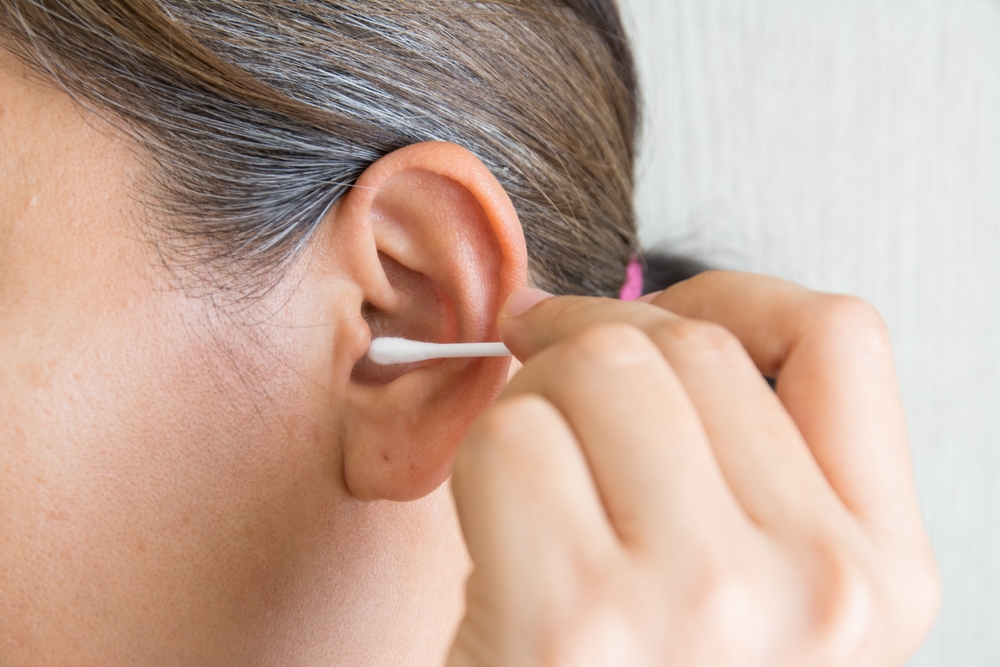
Mechanical interference with Q-tips
Using applicators often results in pushing earwax into the bony portion of the canal where it cannot escape. Sustained use of these tools eventually creates a dense, hardened impaction.
Hearing aids or earbuds
Equipment that sits within the ear often forces wax back into the canal, leading to impaction.
Anatomical variations like stenotic or tortuous canals
Individual anatomy, such as a sharp canal bend, can trap wax and prevent natural shedding.
Biological predisposition to high wax volume
Biological factors can cause some individuals to generate a surplus of earwax.
Safe Protocols for At-Home Cerumen Management
If earwax buildup is mild, you can take a few safe approaches that may help soften or loosen the wax. For instance:
Specialized drops available at pharmacies can emulsify hardened cerumen.
Rinsing the ear with a low-pressure bulb syringe and warm water helps clear loosened debris.
A small amount of peroxide can help detach wax from the canal wall before it is flushed out.
Such interventions are often sufficient to re-establish the ear’s natural migratory flow. Nevertheless, it is critical to avoid certain dangerous tools that can cause permanent ear trauma. The following actions can exacerbate an earwax blockage or rupture the tympanic membrane:
Cotton-tipped applicators or swabs
Unapproved small instruments or probes
Thermal ear candles or cones
Forcible water injection into the ear canal
The Role of the Specialist in Earwax Management
Sometimes, earwax becomes too compacted to remove safely at home. In these cases, professional ear cleaning by a healthcare provider is the safest option.
A trained ENT can visualize the obstruction and use precision tools to clear the canal. Clinical cleaning is typically an efficient procedure that resolves earwax blockage symptoms instantly. Clinicians may employ microsuction, curettage, or medical-grade irrigation systems.
You may want to seek medical care if you notice:
A sudden perception of muffled audio
Ear pain or pressure
Chronic tinnitus or buzzing
Dizziness
Symptoms that continue after using over-the-counter treatments
The Summary of Safe Earwax Care
In most cases, ears do a very good job of cleaning themselves. Aggressive manual cleaning is more likely to cause harm than to resolve a blockage.
We can assist frequent sufferers by developing a safe, long-term management plan. Your hearing health is best served by a balance of conservative care and expert intervention. For assistance with an earwax blockage or to learn more about ear hygiene, contact our office. We’re here to help!
Winter often means cozy sweaters and hot drinks — but it can also bring dry, irritated ears, noses, and throats. Should you experience increased epistaxis, aural pruritus, or pharyngeal irritation in winter, low humidity is the likely culprit.
Understanding Thermal Moisture Loss in Winter
By nature, cold outdoor environments are significantly less humid than warmer climates. When that air is heated indoors, the humidity drops even further. The epithelial linings of the ENT system are shielded by a mucosal barrier that requires hydration for cellular health. As the lining desiccates, it loses its efficacy as a biological filter against environmental irritants and germs.
Winter Nasal Challenges: Irritation and Congestion
The nasal mucosa is typically the primary site for initial winter-related environmental stress.
Frequent clinical indicators of nasal dryness involve:
Sensations of parched or burning nasal tissue
The formation of scabs or crusts at the nasal entrance
Frequent nosebleeds, especially in children or older adults
Sensory congestion caused by tissue swelling rather than mucus buildup
As the nasal lining loses elasticity, it cracks and bleeds with minimal provocation. Compromised nasal membranes fail to trap airborne particulates, elevating the risk of secondary sinus infections.
The Impact of Dehydration on the Throat and Larynx
Consistent moisture is a prerequisite for healthy function in the throat and vocal folds. In arid conditions, patients frequently perceive:
A raw or scratchy throat sensation during early morning hours
Persistent pharyngeal clearing throughout the day
Noticeable voice strain and hoarseness after prolonged speaking
A sensation of a “lump” in the throat
Mouth breathing or snoring exacerbates these issues by circumventing the nasal turbinates’ warming and humidifying functions.
Ear Itchiness and Fullness
Desiccation of the external auditory canal often causes dermal flaking and localized irritation:
Frequent irritation in the outer ear
Flaking skin or mild scaling
Sensitivity when using earbuds or hearing aids
Low humidity acts as a trigger for chronic skin conditions like eczema, intensifying ear canal discomfort.
Protecting Your Ears, Nose & Throat in Winter
Minor adjustments to your daily routine can offer substantial relief from winter dryness:
Deploy a humidifier to keep indoor air moisture at an optimal level for respiratory health.
Support your mucosal barriers by staying hydrated with water and herbal teas.
Try saline sprays or rinses: Over-the-counter saline sprays can moisturize dry nasal passages.
Use a water-based nasal lubricant to maintain the integrity of the nostrils.
Minimize vocal demand and stay hydrated to prevent laryngeal fatigue.
Limit indoor irritants: Smoke, strong fragrances, and certain cleaning products can worsen dryness and irritation.
When to Seek Professional Help for Winter Symptoms
Specific clinical markers indicate that your winter dryness has become a medical concern:
Recurrent or severe bouts of epistaxis
Voice changes that linger for several weeks without improvement
Ongoing sore throat, ear pain, or sensation of something stuck in your throat
A history of frequent sinusitis or otitis during the winter months
Persistent symptoms that are non-responsive to humidification and hydration
Your ENT provider will audit the respiratory and auditory structures for pathologies like polyps, septal deviation, or chronic inflammation. We offer a range of solutions from allergy immunotherapy to specialized nasal care to restore your comfort.
You do not need to suffer through the seasonal discomfort of an arid environment.
By seeking expert care, you can safeguard your respiratory health and enjoy a more comfortable winter. Reach out to our care team today to discuss your ENT symptoms.
Commonly, patients equate aural discomfort with a standard ear infection. While infections occur, adult ear pain is often a secondary symptom of a non-auditory issue.
This diagnostic category is formally known as referred ear pain, or otalgia of non-otologic origin. Understanding it can help you know when to seek further evaluation and which specialist may be best equipped to help.
Why Ear Pain Isn’t Always an Ear Problem
Because the ear is neurologically linked to the throat, teeth, and neck, pain signals often cross over. Because of this overlap, pain originating elsewhere can “show up” as ear pain — even when the ear itself looks completely normal on an exam.
This is why aural pain that lacks typical infection markers must be professionally evaluated to find the true source.
Primary Non-Otologic Triggers for Ear Discomfort
Here are some of the most frequent non-ear causes of ear pain:
Jaw (TMJ) Disorders
The temporomandibular joint (TMJ) is a primary source of ear discomfort due to its proximity to the auditory canal. Teeth grinding, jaw clenching, arthritis, or misalignment can all cause pain that feels deep inside the ear. Symptoms usually flare up during functional jaw movements like chewing or yawning.
How Tooth Issues Project to the Ear
Tooth decay, abscesses, impacted wisdom teeth, or gum disease can send pain signals to the ear. Dental-related ear pain may be intermittent or sharp and is sometimes triggered by hot or cold foods.
How the Throat and Ear Share Pain Signals
Chronic throat irritation or infections frequently cause ear-focused discomfort, especially while swallowing.
How Neck Tension Influences Ear Comfort
Tight or strained muscles in the neck and upper spine can also refer pain to the ear, especially in people with poor posture or chronic tension.
Identifying Red Flags in Non-Infectious Ear Pain
While many causes of ear pain are benign, certain symptoms should prompt evaluation by a medical professional, especially an ENT specialist.
Be alert for the following clinical indicators:
Otalgia that persists beyond a 72-hour window without relief
Aural discomfort that lacks the typical markers of a viral or bacterial infection
Pain that worsens over time
Earaches concurrent with throat changes or impaired jaw mobility
Unexplained and constant ear discomfort on just one side of the head
Clinical investigation is necessary to ensure these symptoms are not masking a more complex pathology.
The Role of the ENT in Diagnosing Referred Otalgia
ENT specialists are uniquely trained to evaluate ear pain in context. An ENT diagnostic includes a thorough check of all structures that share nerve pathways with the ear.
The ENT’s comprehensive approach ensures that you aren’t just treating a symptom, but the actual cause.
Is Your Ear Pain Really an Infection?
It is vital to remember that otalgia does not always equate to a bacterial infection. When discomfort persists, keeps returning, or doesn’t respond to typical treatments, it may be a signal from somewhere else entirely. Knowledge of referred ear pain ensures you avoid ineffective antibiotics and reach the correct specialist faster. A formal diagnostic session offers the definitive answers needed to resolve chronic ear discomfort.
Reach out to our care team today to begin your path toward an accurate diagnosis.
If you are always fatigued, battle heavy snoring, or wake up feeling sluggish, it can be a major source of frustration that affects your daily life. A lot of people mistake constant weariness for a symptom of a fast-paced lifestyle or the aging process, but chronic sleep disturbances usually signal a hidden disorder. Such situations are exactly why diagnostic sleep studies are utilized.
A sleep study provides objective insight into what’s happening while you sleep, helping clinicians diagnose conditions like sleep apnea and guide effective treatment. Once the source of your sleep disruption is identified, you can create a plan for better rest at night and increased energy during the day.
Understanding the Measurements of a Sleep Assessment
During a sleep study, clinicians assess your physical reactions while you are resting. Based on the specific evaluation performed, the test may track:
Patterns of breath such as airflow levels and instances of shallow breathing
Saturation levels of oxygen throughout the night
Heart rate and rhythm
Neurological signals and specific phases of sleep
Ocular shifts and muscle tension levels during the night
Sleep posture and the regularity of snoring sounds
By analyzing these factors, specialists can see if your restlessness is linked to breathing struggles, neurological signals, or forgotten nightly interruptions.
Data from the National Heart, Lung, and Blood Institute suggests that unmanaged sleep apnea and other disorders are connected to elevated risks of heart disease, stroke, and daily mishaps.
The Differences Between Home and Laboratory Sleep Studies
Sleep studies are generally divided into two categories, both designed for unique medical objectives. Your healthcare team will work with you to decide which study fits your symptoms.
The Home-Based Sleep Study
Home-based testing involves using simplified equipment while resting in your familiar environment. The primary focus of these kits is to record heart rate, oxygen saturation, and air intake.
Most effective for:
Individuals who show strong signs of having significant sleep apnea
Patients who prefer comfort and convenience
Initial evaluation of snoring and fatigue
Possible disadvantages:
Do not capture brain activity or detailed sleep stages
Some complex neurological sleep issues may not be detected
Clinical Overnight Polysomnography
Overnight in-lab testing is carried out at a specialized sleep lab where you are monitored by technicians. This method yields the most detailed and thorough information possible.
Best for:
Patients thought to have intricate or dangerous sleep conditions
Patients with neurological symptoms or movement disorders
Instances where portable testing did not yield a definitive diagnosis
Even if an in-lab test requires a night in a medical suite, it delivers the most certain results regarding your sleep.
Who Benefits Most From a Sleep Study?
A diagnostic study is recommended for any person who suffers from:
Ongoing exhaustion during the day or mental cloudiness
Loud snoring that occurs on a habitual basis
Instances of breath-holding during rest, frequently noted by a spouse
Frequent headaches or a dry mouth when starting the day
A lack of concentration or the onset of irritability and mood swings
The Centers for Disease Control and Prevention estimates that millions of adults have undiagnosed sleep apnea, many of whom attribute symptoms to stress or aging instead of poor sleep quality.
The Results and Next Steps of a Sleep Evaluation
A sleep study points to a diagnosis, which then provides a roadmap for treatment. Depending on the findings, next steps may include:
The use of a CPAP machine or a dental device for managing sleep apnea
Guidance on improving your sleep through better daily routines
Referrals to specialists when needed
Identifying the primary reason for sleep issues usually translates to more energy, better focus, and a healthier lifestyle.
Determining if You Need a Sleep Assessment
If fatigue, snoring, or restless sleep has become your “normal,” a sleep study can offer clarity. By tracking your physical state at night, sleep studies eliminate uncertainty and pave the way for the restorative rest your body deserves. To schedule a consultation or talk more about a sleep study, contact us today.
If you notice that a single nostril consistently feels more restricted than the other, you share a common experience. An off-center septum is a common condition that can affect breathing, sleep, and overall comfort, and it often occurs without people realizing the cause of their symptoms.
Grasping the symptoms of a deviated septum is the first step in choosing between basic symptom management and professional treatment.
What Is a Deviated Septum?
Anatomically, the septum is the thin partition of cartilage and bone separating the two sides of the nose. Ideally, it sits in the center of your nose. When it’s shifted to one side, it’s called a deviated septum.
The origin of a deviated septum may be congenital, or it may develop because of a nasal injury later in life. A minor shift might not cause problems, whereas a significant shift can create a major obstruction in the nose.
Recognizing Symptoms of a Deviated Septum
The presence of a deviated septum alters nasal airflow, resulting in a collection of signs that range from mild to intense.
Difficulty With Nasal Airflow
A primary indicator of this condition is the difficulty to draw breath through either nasal passage. You might identify these signs:
A perpetual sense of nasal fullness
The ability to breathe with greater ease through one nostril
Nasal issues that flare up during allergic reactions or infections
Long-Term Congestion Issues
While cold-related stuffiness is temporary, the congestion from the deviation usually:
Does not resolve with the changing seasons
Doesn’t fully respond to allergy medications
Presents as a permanent anatomical issue rather than temporary inflammation
Sleep Disruptions and Snoring
A blockage in the nasal airway may lead to:
Regular snoring patterns
Resorting to breathing through the mouth during sleep
Disturbed or non-restorative sleep
For certain patients, a deviated septum intensifies other sleep-disorder breathing conditions.
Frequent Nosebleeds
The imbalance of air can cause the mucosa of the nose to become irritated and dehydrated. Such dryness frequently leads to:
Frequent episodes of nasal bleeding
The formation of dry tissue within the nostril
Sustained tenderness within the nasal cavity
Comparing Allergic Symptoms to a Deviated Septum
Symptoms of the deviation often mimic allergies, making it important to understand the distinct causes.
Signs of a Structural Deviation:
Are frequently limited to a single nostril of the nose
Remain constant throughout all seasons
Fails to resolve fully with allergy medications
Symptoms Related to Allergies:
Generally cause congestion across the whole nasal airway
Are often accompanied by itchy eyes and sneezing
Often improve with antihistamines or nasal sprays
When these two issues coexist, they can create a compounding effect on nasal discomfort.
When to Address Your Deviated Septum
Professional medical advice should be sought when:
You struggle to breathe clearly through your nose every day
Rest and snoring issues start to impact your health
Episodes of nosebleeds start to happen more often
Congestion doesn’t improve with medication
Your daily comfort is impacted by nasal issues
An evaluation can help determine whether symptoms are structural, inflammatory, or a combination of both.
Septoplasty: A Treatment Option for Deviated Septum
Clinical septoplasty is the standard procedure designed to straighten the nasal partition and enhance airflow. This option is usually explored if symptoms continue despite the use of non-surgical therapies.
The Benefits Of Septoplasty can include:
Significantly enhance nasal airflow
Eliminate persistent nasal fullness
Improve the sleep environment by stopping snoring
Prevent further episodes of chronic nosebleeds
A professional consultation will help decide if surgery is the best path for your unique situation.
Your Journey to Relief from a Deviated Septum
While a deviated septum is quite prevalent, it is also highly manageable with the right care. When congestion and snoring disrupt your life, discovering the source of the problem is the primary step to relief.
We can help clarify what’s contributing to your symptoms and guide you toward options that improve comfort, airflow, and quality of life. Call our specialists today if you are ready to address your deviated septum and reclaim your quality of life.
Many people find it simple to ignore transient auditory changes. Perhaps you experience a sensation of ear fullness following air travel. You might find that everything sounds fuzzy after exposure to concert-level decibels. Maybe a morning arrives where environmental sounds feel detached and lacking in clarity.
These occurrences often self-correct, leading many to conclude that transient hearing issues are not dangerous. Typically, these changes do not indicate a lasting problem. However, understanding temporary hearing loss causes and knowing when to seek medical attention are both essential to protecting your long-term hearing health.
The Definition of a Brief Shift in Hearing Ability
Short-term hearing loss involves a temporary dip in sound perception that generally ends once the source of the problem is fixed or dissipates.
Common signs include:
Dull or strangely altered auditory perceptions
A sensation of pressure within the ear canal
Challenges in deciphering spoken words
The presence of internal ear ringing or clicking sounds
Heightened reactions to environmental sounds
Though these indicators may appear insignificant, they are warnings from your ears that their standard performance is being compromised.
Typical Origins of Transient Auditory Changes
Temporary hearing impairment arises from several documented issues, the majority of which are manageable.
Accumulated Ear Canal Wax
One of the leading factors in brief hearing loss is clogged earwax. When wax builds up and blocks the ear canal, sound waves can’t travel efficiently to the eardrum. A clinical ear irrigation frequently brings back hearing immediately.
Professional tip: Small amounts of earwax can be safely addressed at home by using softening solutions and a soft bulb syringe flush. That said, do not use cotton swabs or any tools inside the ear, as this can drive wax inward, lead to trauma, or harm the eardrum.
Fluid in the Middle Ear
Colds, sinus congestion, and hay fever can cause moisture to gather behind the eardrum. This medical state, referred to as otitis media with effusion, often causes audio to seem muffled or submerged. As the inflammation fades, auditory clarity generally recovers.
Excessive Noise Events
Loud noise events like concerts, sporting events, or heavy machinery can temporarily damage the tiny hair cells inside the inner ear. This specific auditory dip is identified as a temporary threshold shift. While hearing often returns within hours, repeated exposure increases the risk of permanent damage.
Atmospheric Pressure Fluctuations
Air travel, scuba diving, or rapid elevation changes can create pressure differences that affect hearing. Most instances clear up once the ears pop, yet lasting symptoms require an evaluation.
Some Prescriptions
Some medications may temporarily affect hearing or cause tinnitus. Should you detect auditory shifts after beginning a new drug, you must consult your doctor.
When Hearing Loss Isn’t So Temporary
While many instances clear up naturally, some short-term hearing drops do not self-correct. Sudden hearing loss in one ear, especially if it develops over hours or days, is considered a medical emergency and requires immediate evaluation.
Dismissing the indicators could slow down the response to infections, swelling, or precursors of major conditions. In some cases, what seems temporary may actually be early permanent hearing loss that would benefit from prompt care.
Reasons to Seek a Fast Evaluation for Temporary Hearing Loss
Auditory health is vital for effective talking, physical stability, and brain function. Even fleeting hearing gaps can boost stress, create communication breakdowns, and interfere with your life.
A professional exam can reveal if your issues are just a common temporary drop or a more serious condition. Identifying the problem early usually results in easier and more successful treatments.
Do Not Disregard Shifts in How You Hear
Should your hearing feel dampened, full, or just wrong, reach out to an ear expert or ENT physician. Short-term hearing changes are often manageable if the original trigger is found.
If you detect auditory fluctuations, we recommend scheduling a professional exam today. Contact our office to book your evaluation now. Safeguarding your ears today helps ensure your hearing lasts for the long term.
Connection defines the modern world, whether through social interaction, entry to data, or hearing-based interactions. Individuals managing auditory impairment often find it challenging to maintain the speed of modern connection when relying on aging hardware.
Modern Bluetooth hearing aids are revolutionizing the auditory landscape. By combining cutting-edge connectivity with daily ease, they make hearing feel more effortless, facilitating interpersonal dialogue and greater social involvement.
The Basics of Bluetooth Technology
Essentially, Bluetooth technology provides a wireless link that enables device-to-device interaction cordlessly. This wireless protocol allows you to sync your phone with your car or transmit sound from a mobile device to headphones.
Bluetooth technology in hearing aids follows the same principles while delivering life-changing personal perks. Sophisticated processors within the devices facilitate wireless pairing to smartphones, TVs, tablets, and personal computers.
This technology guarantees that sound is no longer limited to traveling through the acoustic environment. By streaming audio directly, the devices deliver a high-quality, customized listening experience built for your specific needs.
Legacy hearing aids were created mainly for simple amplification. Today’s Bluetooth devices emphasize superior audio quality, reliable linking, and easy user management.
Everyday Benefits You’ll Notice Right Away
These advanced devices improve your hearing while simultaneously making your daily life more streamlined. Explore some of the primary features and features that users value most:
Hands-free calling with outstanding clarity for easier communication.
The capability to stream your favorite media content straight to your devices.
Improved group dialogue in public spaces or busy environments.
Direct access to volume and program adjustments through your phone.
Remote adjustments that allow your hearing professional to fine-tune your settings.
Built for Better Engagement and Personal Confidence
Since these devices offer so much functionality, users are generally more diligent with all-day wear. Regularly wearing your devices throughout the day helps maintain cognitive health and improves your general well-being.
Bluetooth technology is a powerful tool for preserving your independence. Whether you are on a video call, listening to music, or out for a meal, Bluetooth hearing aids ensure you never miss a moment. Tuning into these moments is easier than ever with digital connectivity.
Explore the Possibilities of Modern Hearing Aids
Users with older devices are often surprised by the significant leaps in technology developed lately. Modern Bluetooth devices are small, smart, and flexible—designed to integrate perfectly into your lifestyle.
Reach out to our staff to arrange a consultation and learn how Bluetooth hearing aids can improve your communication and confidence.