

In a healthy ear, earwax gradually migrates to the outer opening and is naturally eliminated during washing. This self-cleaning process usually keeps the ears balanced without any need for intervention.
Complications develop when the rate of earwax accumulation outpaces the body’s ability to shed it. Let us investigate why accumulation happens and how to distinguish between minor issues and a professional earwax blockage.
The Biological Function of Cerumen
While often viewed as a nuisance, earwax serves as a vital defensive barrier for the auditory system. By utilizing its sticky consistency, cerumen prevents debris and microorganisms from entering the sensitive deeper ear. Furthermore, its lipid content ensures the ear canal remains moisturized and resistant to external irritants.
Why Earwax Sometimes Builds Up
Various environmental factors and behaviors can hinder the natural migration of cerumen, leading to buildup. When earwax becomes impacted, it may lead to symptoms such as muffled hearing, ear fullness, ringing in the ears, dizziness, or discomfort.
The most common reasons for aural blockages are:
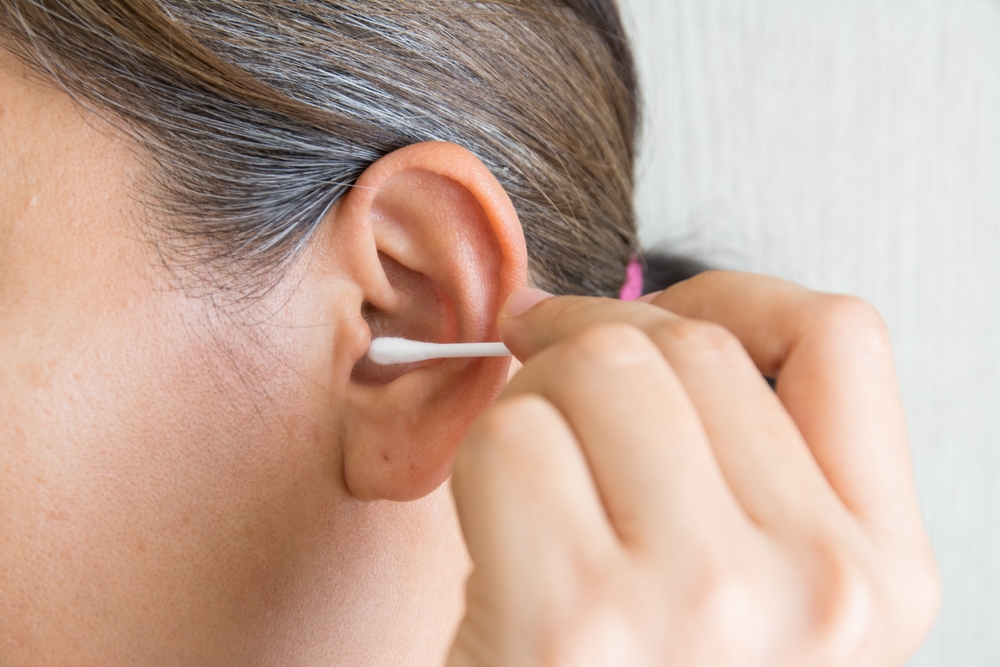
Mechanical interference with Q-tips
Using applicators often results in pushing earwax into the bony portion of the canal where it cannot escape. Sustained use of these tools eventually creates a dense, hardened impaction.
Hearing aids or earbuds
Equipment that sits within the ear often forces wax back into the canal, leading to impaction.
Anatomical variations like stenotic or tortuous canals
Individual anatomy, such as a sharp canal bend, can trap wax and prevent natural shedding.
Biological predisposition to high wax volume
Biological factors can cause some individuals to generate a surplus of earwax.
Safe Protocols for At-Home Cerumen Management
If earwax buildup is mild, you can take a few safe approaches that may help soften or loosen the wax. For instance:
- Specialized drops available at pharmacies can emulsify hardened cerumen.
- Rinsing the ear with a low-pressure bulb syringe and warm water helps clear loosened debris.
- A small amount of peroxide can help detach wax from the canal wall before it is flushed out.
Such interventions are often sufficient to re-establish the ear’s natural migratory flow. Nevertheless, it is critical to avoid certain dangerous tools that can cause permanent ear trauma. The following actions can exacerbate an earwax blockage or rupture the tympanic membrane:
- Cotton-tipped applicators or swabs
- Unapproved small instruments or probes
- Thermal ear candles or cones
- Forcible water injection into the ear canal
The Role of the Specialist in Earwax Management
Sometimes, earwax becomes too compacted to remove safely at home. In these cases, professional ear cleaning by a healthcare provider is the safest option.
A trained ENT can visualize the obstruction and use precision tools to clear the canal. Clinical cleaning is typically an efficient procedure that resolves earwax blockage symptoms instantly. Clinicians may employ microsuction, curettage, or medical-grade irrigation systems.
You may want to seek medical care if you notice:
- A sudden perception of muffled audio
- Ear pain or pressure
- Chronic tinnitus or buzzing
- Dizziness
- Symptoms that continue after using over-the-counter treatments
The Summary of Safe Earwax Care
In most cases, ears do a very good job of cleaning themselves. Aggressive manual cleaning is more likely to cause harm than to resolve a blockage.
We can assist frequent sufferers by developing a safe, long-term management plan. Your hearing health is best served by a balance of conservative care and expert intervention. For assistance with an earwax blockage or to learn more about ear hygiene, contact our office. We’re here to help!