

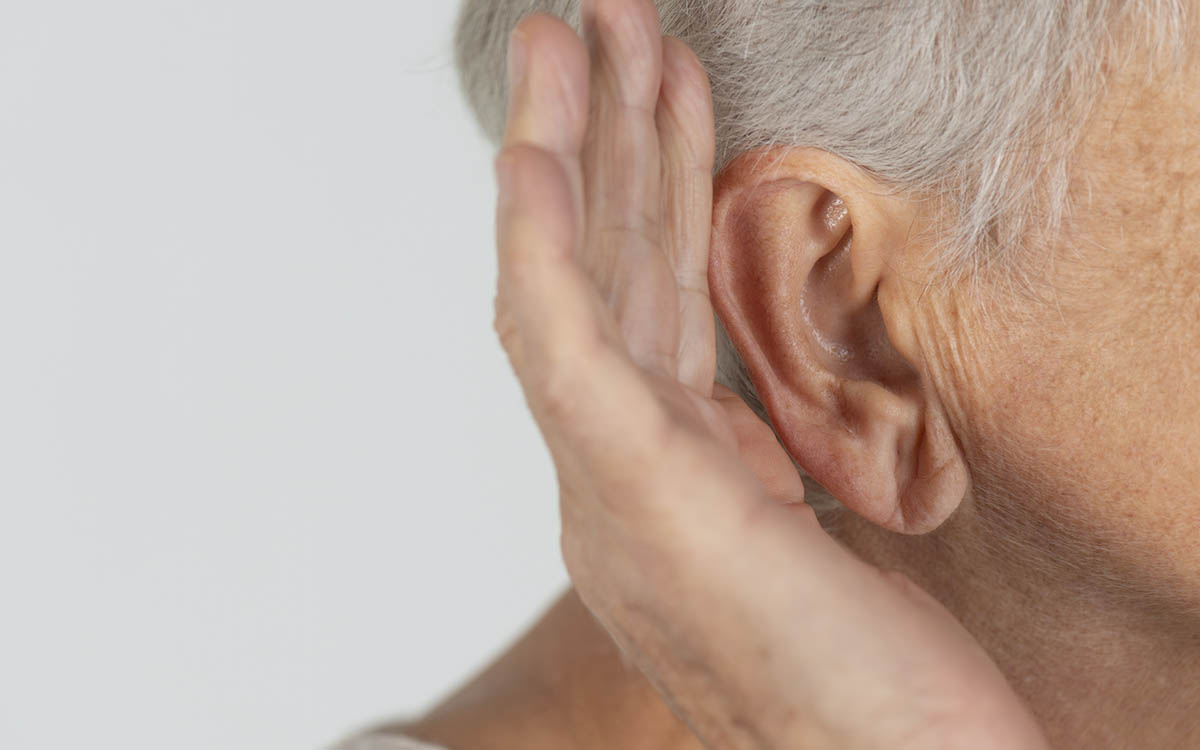
Commonly, clinicians link hearing loss to senescence, though for a significant portion of the population, physiological damage begins at a younger age. As one of the most prevalent and avoidable types of auditory impairment, noise-induced hearing loss typically progresses slowly, escaping notice until it becomes a permanent condition.
Comprehensive knowledge of how chronic noise exposure affects the ears is essential for implementing safeguards before substantial hearing loss manifests.
The Clinical Mechanisms of Sound-Induced Acoustic Injury
This form of hearing loss is precipitated by excessive acoustic energy damaging the fragile internal structures of the auditory system. Data from the CDC indicate that, auditory impairment may begin with chronic exposure to noise levels over 85 decibels. More intense acoustic stimuli, such as power equipment or firearms, are capable of inducing auditory trauma in a matter of minutes.
Within the cochlea are specialized sensory structures referred to as hair cells. The function of these cells is to transduce mechanical vibrations into neural impulses for cerebral processing. Following injury, these hair cells lack the biological capacity to regenerate, which renders noise-related hearing loss an irreversible condition.
Understanding How Ear Injury Accumulates Over Time
One of the most concerning aspects of noise-induced hearing loss is that it often develops slowly. Initial clinical indicators of sound-induced trauma may involve:
- Transient auditory sensations such as ringing or buzzing (Tinnitus)
- Post-exposure auditory dullness or perceived muffling of sound
- Reduced ability to distinguish vocal communication in loud surroundings
Initial symptoms may subside, frequently resulting in the incorrect assumption that hearing function has returned to baseline. Actually, subsequent noise events continue to degrade internal ear structures, leading to a progressive decline in hearing resolution.
According to the hearing loss Association of America, nearly 48 million citizens live with hearing loss, often without recognizing the contributing factors.
Everyday Acoustic Sources Contributing to Auditory Injury
In our modern environment, individuals often develop a tolerance or desensitization to high-volume sounds. Due to this, the commonality of injurious sound exposure often goes unrecognized.
Potential sources include:
- Venues featuring high-decibel live music
- The use of headphones at unsafe volume settings
- Lawn equipment, power tools, and motorcycles
- Workplace noise in construction, manufacturing, or warehouses
Since these noises are integrated into daily routines, cumulative damage often occurs without immediate clinical indicators.
Why Auditory Prophylaxis Remain a Critical Priority
Noise-induced hearing loss is physiologically irreversible, unlike many other health impairments. Nevertheless, it remains a highly avoidable pathology. Adopting straightforward preventative behaviors can markedly decrease the likelihood of injury, including:
- Using earplugs or noise-reducing earmuffs in loud environments
- Limiting headphone decibels and implementing the 60/60 rule for safe listening
- Implementing quiet intervals to permit the auditory system to rest
- Scheduling regular hearing evaluations if you’re frequently exposed to loud noise
Professional Benchmarks for Seeking Hearing Screenings
If you notice persistent ear ringing, difficulty following conversations, or changes in hearing clarity, you should seek evaluation from a hearing professional. Prompt clinical evaluation is vital for tracking auditory status and formulating effective hearing preservation plans.
Prioritizing auditory health now ensures the preservation of hearing clarity for the future. Noise may be unavoidable, but hearing loss doesn’t have to be!. Contact our team today to schedule a consultation and make sure you’re hearing your best.