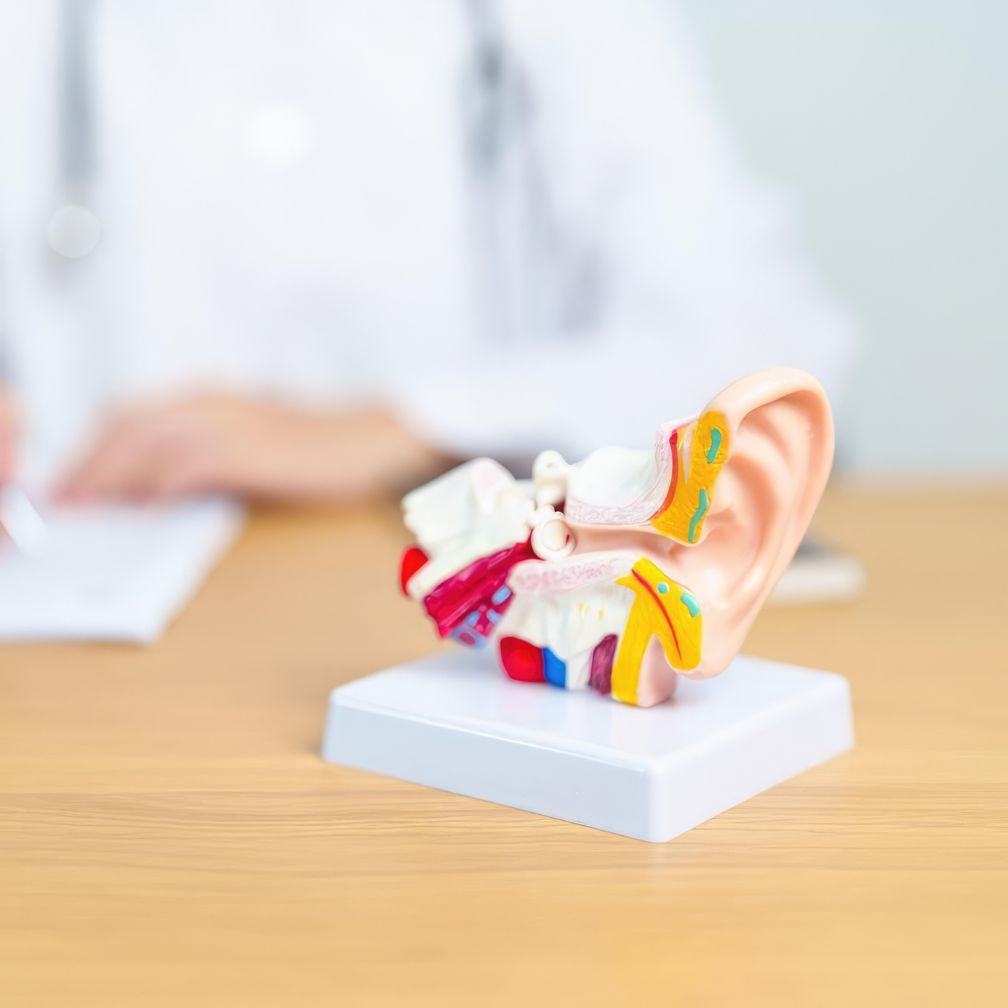
Most people have dealt with uncomfortable swallowing episodes during their lifetime. In our early years, parents frequently explained it as swallowing down the “wrong pipe,” and we simply believed them. Growing into adulthood, we seek a precise physiological understanding of why this symptom develops. Does it disappear after one instance, or does it linger long-term? This piece analyzes the factors behind painful swallowing and details when to contact an Ear, Nose, and Throat (ENT) doctor.
Understanding the Causes of Painful Swallowing
Distress felt during swallowing can occur across distinct spots, encompassing the mouth, upper throat, esophagus, or chest cavity. Medical experts identify this symptom as odynophagia, and although it usually remains short-lived, it can indicate a variety of underlying health problems.
Let’s look into frequent sources of painful swallowing.
Tonsillitis
Tonsillitis refers to swollen or inflamed tonsils, two compact tissue clusters located at the back throat boundary. Commonly arising from viral or bacterial infections, it generates symptoms including a raw throat, painful swallowing, enlarged tonsils, and mild fever.
Management standardly centers on standard rest and proper hydration, with antibiotics serving as a key treatment for bacterial cases.
Strep Throat Overview
Strep throat represents a painful bacterial issue caused specifically by Group A Streptococcus organisms. It typically showcases symptoms including a sore throat, painful swallowing, and swollen, tender lymph nodes. The infection moves quickly through expelled droplets, rendering direct interaction a primary path of exposure.
Urgent clinical evaluation, usually requiring an antibiotic regimen, is necessary to clear strep throat completely and block future complications.
Esophagitis
Esophagitis signifies inflammatory irritation within the esophagus, the muscular tube that connects the throat to the stomach. It is commonly produced by persistent acid reflux, bacterial or viral infections, or pharmaceutical side effects, causing symptoms like difficult swallowing, burning chest pain, and heartburn.
Addressing esophagitis necessitates eliminating the core source of irritation. Solutions can span from everyday lifestyle modifications to therapeutic drugs, or surgical corrections in critical cases.
Mononucleosis (Mono)
Mononucleosis, often shortened to “mono,” represents a contagious infection caused in most cases by Epstein-Barr virus (EBV) exposure. Typical symptoms involve intense exhaustion, a severe sore throat, enlarged lymph glands, and elevated temperature. Individuals refer to it as “the kissing disease” since transmission usually occurs through direct saliva exchange.
Though most people recover from mono through basic rest and fluids, the risk of severe complications exists, making it essential to avoid close contact that spreads the virus while symptomatic.
Various other clinical causes can produce painful swallowing, so visiting a physician for an official diagnosis is critical.
When to Seek an ENT Evaluation for Painful Swallowing
Set up an evaluation with an Ear, Nose, and Throat (ENT) doctor promptly if swallowing pain appears together with any of these symptoms:
- Persistent symptoms continuing for over a week
- Finding blood in your stool or spit
- Suffering from breathlessness or sudden lightheadedness
- Unexpected or sudden weight loss
- Appearance of firm lumps in the neck area
- Hoarse voice
An ENT physician will usually perform evaluations, including checks for throat tumors.
Contact our office to schedule an evaluation today.