


Most people start with their primary care doctor when something feels off, including issues with their ears, nose, and throat. And that’s exactly the right first step. Many issues are mild and easy to treat, and your primary care physician can offer effective guidance and care.
But when symptoms linger or don’t improve, it could be time to see a specialist. In particular cases, advanced ENT diagnostics are required to map out and treat the deeper mechanisms behind your ongoing discomfort. Understanding when to escalate your care minimizes long-term discomfort, allowing you to regain your quality of life and feel normal once more.
To guide your healthcare choices, we will review the specific capabilities of an ENT and the exact symptoms that mean it is time to book an appointment.
Understanding the Specialized Scope of an Otolaryngologist
An ENT—clinically designated as an otolaryngologist—undergoes years of dedicated residency training focusing exclusively on pathologies of the head, neck, and cranial nerves. These areas include delicate structures that often require a more detailed evaluation than a standard exam offers.
To achieve this clarity, otolaryngologists utilize high-definition nasal endoscopes, surgical microscopes, and fiber-optic cameras to inspect deep tissue structures. This advanced optical hardware enables them to confirm complex diagnoses that cannot be detected during a standard checkup.
In-office capabilities include specialized foreign body removals, comprehensive endoscopic evaluations of the nasopharynx, and dynamic stroboscopy for voice assessment. When a condition is more complex or simply not improving with basic treatment, an ENT has the training and equipment to get to the root of the problem so you can finally find relief.
Eight Symptoms That Warrant an Immediate Otolaryngology Referral
Persistent Sinus Discomfort: When It’s Time for Specialist Intervention
If you have spent over three months battling ongoing nasal blockages, standard maxillary pressure, or repeating infections, a basic viral cold has been ruled out. An ENT can look inside your nasal passages to check for issues like polyps, a deviated septum, or blocked drainage pathways.
Ear infections that don’t fully resolve
Occasional ear infections happen, but repeated or lingering infections could be signs of an underlying issue. To investigate, an ENT utilizes high-magnification binocular otoscopy and tympanometry to evaluate the compliance of the tympanic membrane and trace the root pathology.
Auditory Deficits: Assessing Sudden or Progressive Hearing Loss
A sudden loss of hearing, especially in one ear, should be treated as an urgent matter. Thankfully, prompt medical management inside a tight window drastically elevates the likelihood of full auditory restoration. Gradual losses in processing speech also require a formal medical workup so that customizable treatment plans can be successfully deployed.
Chronic Equilibrium Deficits: Assessing Inner Ear Balance Distortions
Should you suffer from chronic unsteadiness or sudden room-spinning sensations, your internal balance mechanisms are likely malfunctioning. An otolaryngologist is uniquely equipped to differentiate between Benign Paroxysmal Positional Vertigo (BPPV), endolymphatic hydrops (Ménière’s disease), or vestibular neuritis.
Voice Alterations and Hoarseness Exceeding Fourteen Days
A short-term loss of vocal power following a typical head cold is completely normal. But if you remain hoarse or sound breathy for over three consecutive weeks, closer diagnostic inspection is a medical necessity. An ENT can examine your vocal cords directly to check for irritation, nodules, or other concerns.
Snoring and constant daytime fatigue
Disruptive snoring, choking sensations during the night, and unyielding morning fatigue frequently signal an upper airway collapse during sleep. An otolaryngologist can thoroughly evaluate your upper airway anatomy, identify localized sites of collapse, and oversee polysomnography testing to establish an effective treatment plan.
A lump in the neck that hasn’t gone away
Many neck lumps are harmless, but anything that lasts more than 2–4 weeks should be checked. This complex anatomical zone houses major lymphatic networks, thyroid tissue, and salivary systems that demand expert diagnostic review.
Refractory Environmental Allergies and Treatment-Resistant Rhinitis
When seasonal or perennial allergic rhinitis exhibits total resistance to standard commercial antihistamines and corticosteroid nasal sprays, generalized medical management has hit its ceiling. If antihistamines and sprays aren’t helping, an ENT can perform allergy testing and recommend more targeted treatments, including prescription options or immunotherapy.
Do You Need a Referral to See an ENT?
In many cases, you can schedule an ENT appointment without a referral. Nevertheless, certain managed care programs require an official insurance referral written by your family doctor to avoid out-of-network penalties.
If you need help determining your plan rules, a straightforward call to your insurer—or directly to our administrative team—will clarify the path forward. Our administrative staff is entirely prepared to navigate the prior-authorization landscape on your behalf to guarantee a seamless onboarding experience.
Reclaiming Comfort: Your Journey to Advanced Specialist Resolution
Do your current physical struggles align with any of the clinical red flags outlined above? Especially if you’ve been dealing with them for weeks or months on end, now may be a good time to see a specialist. The reality is that chronic head and neck conditions almost never spontaneously resolve without expert medical rehabilitation. Fortunately, once an accurate structural diagnosis is established, these ailments possess high clinical resolution rates.
Our clinical practice features the advanced technology and specialist skillsets necessary to pinpoint your problem and accelerate healing. Call us today to schedule your appointment to get started!
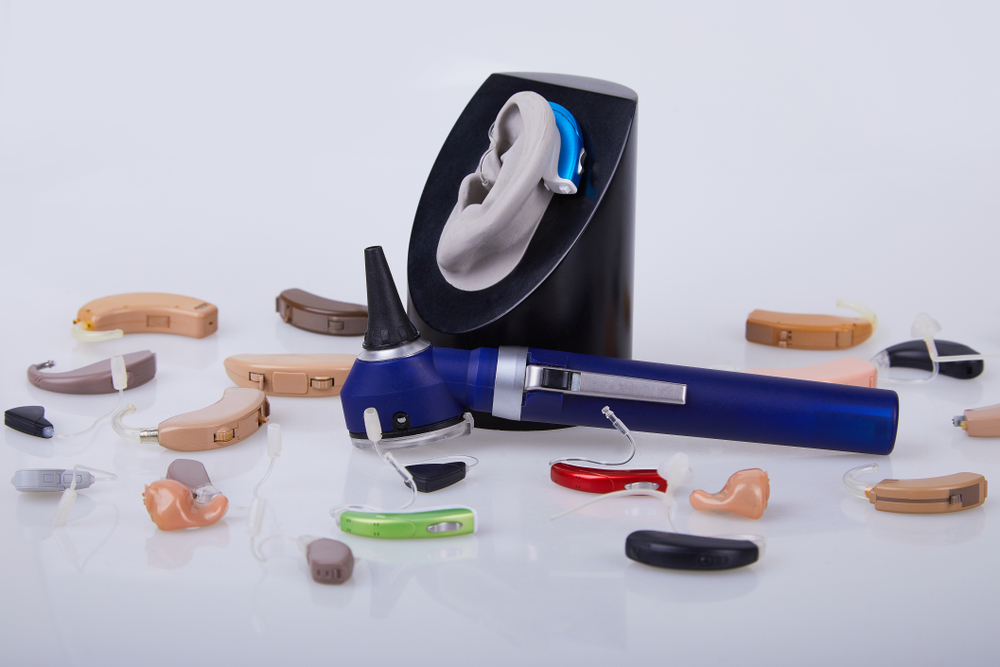


 The ear is a delicate and intricate system that includes the skin of the ear canal and the eardrum. Most of the time, our ears take care of themselves, and common efforts to keep the ears clean may actually damage our ability to hear. So special care should be given to protect this part of our bodies. The most important thing you can do is to never stick a Q-Tip or any other object in your ears.