
Category: Hearing Loss

The Importance of Not Disregarding Temporary Auditory Muffles

Lady having trouble hearing due to hearing loss

Many people find it simple to ignore transient auditory changes. Perhaps you experience a sensation of ear fullness following air travel. You might find that everything sounds fuzzy after exposure to concert-level decibels. Maybe a morning arrives where environmental sounds feel detached and lacking in clarity.

These occurrences often self-correct, leading many to conclude that transient hearing issues are not dangerous. Typically, these changes do not indicate a lasting problem. However, understanding temporary hearing loss causes and knowing when to seek medical attention are both essential to protecting your long-term hearing health.

The Definition of a Brief Shift in Hearing Ability

Short-term hearing loss involves a temporary dip in sound perception that generally ends once the source of the problem is fixed or dissipates.

Common signs include:

  • Dull or strangely altered auditory perceptions
  • A sensation of pressure within the ear canal
  • Challenges in deciphering spoken words
  • The presence of internal ear ringing or clicking sounds
  • Heightened reactions to environmental sounds

Though these indicators may appear insignificant, they are warnings from your ears that their standard performance is being compromised.

Typical Origins of Transient Auditory Changes

Temporary hearing impairment arises from several documented issues, the majority of which are manageable.

Accumulated Ear Canal Wax

One of the leading factors in brief hearing loss is clogged earwax. When wax builds up and blocks the ear canal, sound waves can’t travel efficiently to the eardrum. A clinical ear irrigation frequently brings back hearing immediately.

Professional tip: Small amounts of earwax can be safely addressed at home by using softening solutions and a soft bulb syringe flush. That said, do not use cotton swabs or any tools inside the ear, as this can drive wax inward, lead to trauma, or harm the eardrum.

Fluid in the Middle Ear

Colds, sinus congestion, and hay fever can cause moisture to gather behind the eardrum. This medical state, referred to as otitis media with effusion, often causes audio to seem muffled or submerged. As the inflammation fades, auditory clarity generally recovers.

Excessive Noise Events

Loud noise events like concerts, sporting events, or heavy machinery can temporarily damage the tiny hair cells inside the inner ear. This specific auditory dip is identified as a temporary threshold shift. While hearing often returns within hours, repeated exposure increases the risk of permanent damage.

Atmospheric Pressure Fluctuations

Air travel, scuba diving, or rapid elevation changes can create pressure differences that affect hearing. Most instances clear up once the ears pop, yet lasting symptoms require an evaluation.

Some Prescriptions

Some medications may temporarily affect hearing or cause tinnitus. Should you detect auditory shifts after beginning a new drug, you must consult your doctor.

When Hearing Loss Isn’t So Temporary

While many instances clear up naturally, some short-term hearing drops do not self-correct. Sudden hearing loss in one ear, especially if it develops over hours or days, is considered a medical emergency and requires immediate evaluation.

Dismissing the indicators could slow down the response to infections, swelling, or precursors of major conditions. In some cases, what seems temporary may actually be early permanent hearing loss that would benefit from prompt care.

Reasons to Seek a Fast Evaluation for Temporary Hearing Loss

Auditory health is vital for effective talking, physical stability, and brain function. Even fleeting hearing gaps can boost stress, create communication breakdowns, and interfere with your life.

A professional exam can reveal if your issues are just a common temporary drop or a more serious condition. Identifying the problem early usually results in easier and more successful treatments.

Do Not Disregard Shifts in How You Hear

Should your hearing feel dampened, full, or just wrong, reach out to an ear expert or ENT physician. Short-term hearing changes are often manageable if the original trigger is found.

If you detect auditory fluctuations, we recommend scheduling a professional exam today. Contact our office to book your evaluation now. Safeguarding your ears today helps ensure your hearing lasts for the long term.
What to Watch For: Early Symptoms of Auditory Decline

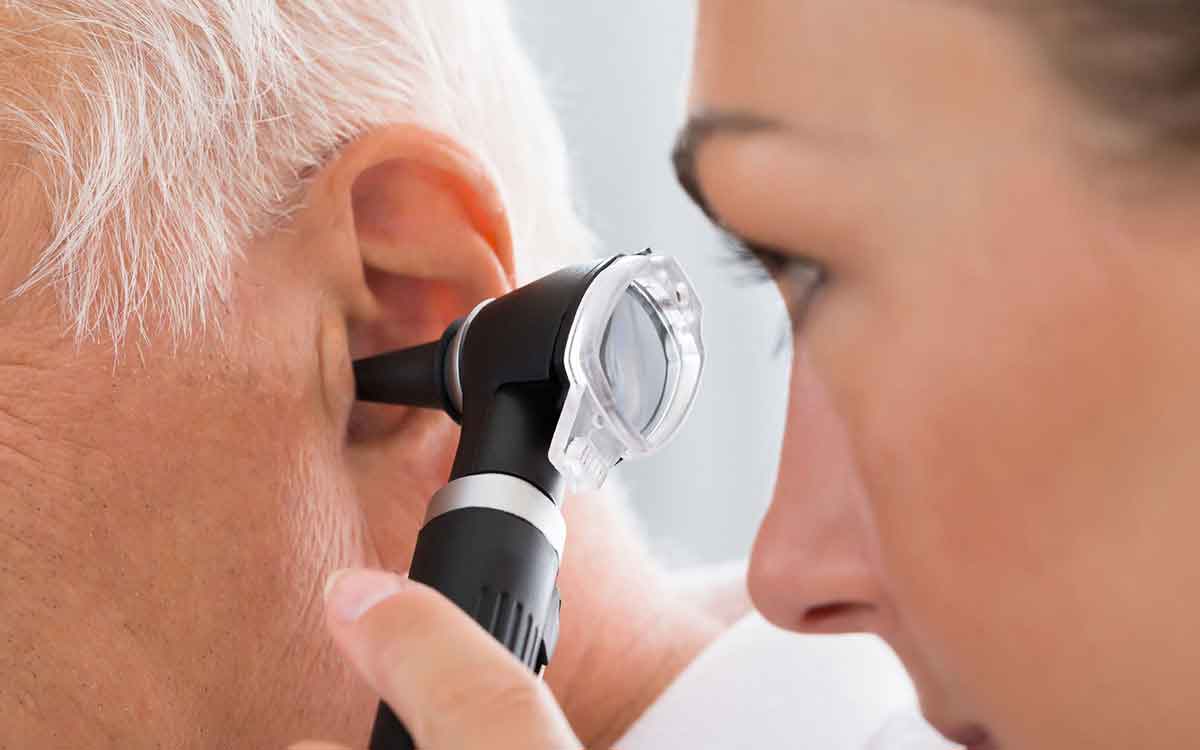
Ear irrigation procedure

Because hearing loss typically advances slowly, early symptoms frequently go unrecognized by the individual. Many people adjust without realizing it by turning up the TV volume, requesting frequent repetitions, or avoiding loud environments.

Nevertheless, recognizing the early symptoms of auditory impairment is fundamental for long-term health.

Frequent Indicators of Initial Auditory Decline

If you experience any of the following symptoms, it may be time to undergo an audiological screening.

  • Difficulty comprehending speech, specifically in crowded settings with significant background noise.
  • Frequent instances of requesting clarification during daily interactions.
  • Hearing indistinct vocal communication where sounds lack definition.
  • Requiring increased decibel settings for media than is typical.
  • Reduced sensitivity to high-pitched stimuli like children’s speech or household alerts.
  • Ringing, buzzing, or humming in the ears (tinnitus).
  • Mental drain following dialogue caused by persistent listening effort.
  • Withdrawing from social gatherings because dialogue has become stressful.

Initial symptoms of auditory decline may appear in either one or both ears and vary in frequency initially. Since the auditory cortex adapts to changes, compensatory behaviors often go unnoticed until clinical hearing loss is evident.

Understanding Hearing Impairment Through Data

According to official WHO data, more than 700 million people will require hearing rehabilitation by 2050. Other significant statistics include:

  • By 2050, nearly 2.5 billion people are projected to experience various levels of hearing loss.
  • More than five percent of the global community (roughly 430 million people) requires rehabilitation to manage disabling hearing loss.
  • More than 1 billion younger individuals are at risk of avoidable hearing loss caused by hazardous acoustic habits.
  • Among those aged 60 and older, more than one-quarter suffer from clinically significant hearing loss.

The Critical Importance of Early Identification

Neglecting auditory decline can affect general health and daily wellness.

Data confirms a link between untreated hearing loss and an increased likelihood of cognitive decline and diminished balance.

Recognizing changes early on ensures more effective outcomes and varied management strategies.

A professional assessment clarifies if hearing fluctuations are the result of noise damage, earwax impaction, or different medical factors.

Occasionally, auditory changes are temporary and resolve with intervention.

Alternatively, utilizing protective measures or hearing technology early may delay the progression of hearing loss.

When to See a Hearing Specialist

You should consider scheduling a hearing assessment if:

  • Auditory symptoms persist for more than a few weeks.
  • Hearing difficulties impact work, relationships, or daily activities.
  • If you encounter acute auditory decline, dizziness, or chronic ear ringing (which requires immediate attention).

Tests for hearing are noninvasive and supply essential data about your auditory wellness.

Please contact our specialists if you are interested in arranging a formal hearing test.

Auditory Health FAQ: Initial Symptoms

Q: Is hearing loss always age-related?
A: No. While age-related hearing loss is common, hearing changes can also result from noise exposure, medications, infections, genetics, or underlying medical conditions.

Q: Can hearing loss be reversed?
A: In specific instances involving earwax or infection, hearing may be restored. Permanent sensorineural hearing loss is typically managed using advanced hearing devices and management protocols.

Question: How frequently should an individual undergo a hearing test?
A: Adults should have a baseline hearing test by age 50, or earlier if symptoms or risk factors are present.

Examining Acoustic Trauma and Auditory Decline Chronically

Challenges of single-sided deafness

Commonly, clinicians link hearing loss to senescence, though for a significant portion of the population, physiological damage begins at a younger age. As one of the most prevalent and avoidable types of auditory impairment, noise-induced hearing loss typically progresses slowly, escaping notice until it becomes a permanent condition.

Comprehensive knowledge of how chronic noise exposure affects the ears is essential for implementing safeguards before substantial hearing loss manifests.

The Clinical Mechanisms of Sound-Induced Acoustic Injury

This form of hearing loss is precipitated by excessive acoustic energy damaging the fragile internal structures of the auditory system. Data from the CDC indicate that, auditory impairment may begin with chronic exposure to noise levels over 85 decibels. More intense acoustic stimuli, such as power equipment or firearms, are capable of inducing auditory trauma in a matter of minutes.

Within the cochlea are specialized sensory structures referred to as hair cells. The function of these cells is to transduce mechanical vibrations into neural impulses for cerebral processing. Following injury, these hair cells lack the biological capacity to regenerate, which renders noise-related hearing loss an irreversible condition.

Understanding How Ear Injury Accumulates Over Time

One of the most concerning aspects of noise-induced hearing loss is that it often develops slowly. Initial clinical indicators of sound-induced trauma may involve:

  • Transient auditory sensations such as ringing or buzzing (Tinnitus)
  • Post-exposure auditory dullness or perceived muffling of sound
  • Reduced ability to distinguish vocal communication in loud surroundings

Initial symptoms may subside, frequently resulting in the incorrect assumption that hearing function has returned to baseline. Actually, subsequent noise events continue to degrade internal ear structures, leading to a progressive decline in hearing resolution.

According to the hearing loss Association of America, nearly 48 million citizens live with hearing loss, often without recognizing the contributing factors.

Everyday Acoustic Sources Contributing to Auditory Injury

In our modern environment, individuals often develop a tolerance or desensitization to high-volume sounds. Due to this, the commonality of injurious sound exposure often goes unrecognized.

Potential sources include:

  • Venues featuring high-decibel live music
  • The use of headphones at unsafe volume settings
  • Lawn equipment, power tools, and motorcycles
  • Workplace noise in construction, manufacturing, or warehouses

Since these noises are integrated into daily routines, cumulative damage often occurs without immediate clinical indicators.

Why Auditory Prophylaxis Remain a Critical Priority

Noise-induced hearing loss is physiologically irreversible, unlike many other health impairments. Nevertheless, it remains a highly avoidable pathology. Adopting straightforward preventative behaviors can markedly decrease the likelihood of injury, including:

  • Using earplugs or noise-reducing earmuffs in loud environments
  • Limiting headphone decibels and implementing the 60/60 rule for safe listening
  • Implementing quiet intervals to permit the auditory system to rest
  • Scheduling regular hearing evaluations if you’re frequently exposed to loud noise

Professional Benchmarks for Seeking Hearing Screenings

If you notice persistent ear ringing, difficulty following conversations, or changes in hearing clarity, you should seek evaluation from a hearing professional. Prompt clinical evaluation is vital for tracking auditory status and formulating effective hearing preservation plans.

Prioritizing auditory health now ensures the preservation of hearing clarity for the future. Noise may be unavoidable, but hearing loss doesn’t have to be!. Contact our team today to schedule a consultation and make sure you’re hearing your best.

Hearing Loss May Increase Your Risk Of Dementia

Most of us know someone who has hearing loss. Maybe even you. Many people still deny the reality while others have purchased new hearing aids. What you probably don’t know is that hearing loss may increase your risk of dementia. Let’s find out why and what you can do about it.

Continue reading “Hearing Loss May Increase Your Risk Of Dementia”