Author: Southern California Ear, Nose & Throat

The Advantages of Bluetooth Hearing Aids for a Connected Life

Bluetooth Hearing Aids

Connection defines the modern world, whether through social interaction, entry to data, or hearing-based interactions. Individuals managing auditory impairment often find it challenging to maintain the speed of modern connection when relying on aging hardware.

Modern Bluetooth hearing aids are revolutionizing the auditory landscape. By combining cutting-edge connectivity with daily ease, they make hearing feel more effortless, facilitating interpersonal dialogue and greater social involvement.

The Basics of Bluetooth Technology

Essentially, Bluetooth technology provides a wireless link that enables device-to-device interaction cordlessly. This wireless protocol allows you to sync your phone with your car or transmit sound from a mobile device to headphones.

Bluetooth technology in hearing aids follows the same principles while delivering life-changing personal perks. Sophisticated processors within the devices facilitate wireless pairing to smartphones, TVs, tablets, and personal computers.

This technology guarantees that sound is no longer limited to traveling through the acoustic environment. By streaming audio directly, the devices deliver a high-quality, customized listening experience built for your specific needs.

Legacy hearing aids were created mainly for simple amplification. Today’s Bluetooth devices emphasize superior audio quality, reliable linking, and easy user management.

Everyday Benefits You’ll Notice Right Away

These advanced devices improve your hearing while simultaneously making your daily life more streamlined. Explore some of the primary features and features that users value most:

  • Hands-free calling with outstanding clarity for easier communication.
  • The capability to stream your favorite media content straight to your devices.
  • Improved group dialogue in public spaces or busy environments.
  • Direct access to volume and program adjustments through your phone.
  • Remote adjustments that allow your hearing professional to fine-tune your settings.

Built for Better Engagement and Personal Confidence

Since these devices offer so much functionality, users are generally more diligent with all-day wear. Regularly wearing your devices throughout the day helps maintain cognitive health and improves your general well-being.

Bluetooth technology is a powerful tool for preserving your independence. Whether you are on a video call, listening to music, or out for a meal, Bluetooth hearing aids ensure you never miss a moment. Tuning into these moments is easier than ever with digital connectivity.

Explore the Possibilities of Modern Hearing Aids

Users with older devices are often surprised by the significant leaps in technology developed lately. Modern Bluetooth devices are small, smart, and flexible—designed to integrate perfectly into your lifestyle.

Reach out to our staff to arrange a consultation and learn how Bluetooth hearing aids can improve your communication and confidence.

What to Watch For: Early Symptoms of Auditory Decline

Ear irrigation procedure

Because hearing loss typically advances slowly, early symptoms frequently go unrecognized by the individual. Many people adjust without realizing it by turning up the TV volume, requesting frequent repetitions, or avoiding loud environments.

Nevertheless, recognizing the early symptoms of auditory impairment is fundamental for long-term health.

Frequent Indicators of Initial Auditory Decline

If you experience any of the following symptoms, it may be time to undergo an audiological screening.

  • Difficulty comprehending speech, specifically in crowded settings with significant background noise.
  • Frequent instances of requesting clarification during daily interactions.
  • Hearing indistinct vocal communication where sounds lack definition.
  • Requiring increased decibel settings for media than is typical.
  • Reduced sensitivity to high-pitched stimuli like children’s speech or household alerts.
  • Ringing, buzzing, or humming in the ears (tinnitus).
  • Mental drain following dialogue caused by persistent listening effort.
  • Withdrawing from social gatherings because dialogue has become stressful.

Initial symptoms of auditory decline may appear in either one or both ears and vary in frequency initially. Since the auditory cortex adapts to changes, compensatory behaviors often go unnoticed until clinical hearing loss is evident.

Understanding Hearing Impairment Through Data

According to official WHO data, more than 700 million people will require hearing rehabilitation by 2050. Other significant statistics include:

  • By 2050, nearly 2.5 billion people are projected to experience various levels of hearing loss.
  • More than five percent of the global community (roughly 430 million people) requires rehabilitation to manage disabling hearing loss.
  • More than 1 billion younger individuals are at risk of avoidable hearing loss caused by hazardous acoustic habits.
  • Among those aged 60 and older, more than one-quarter suffer from clinically significant hearing loss.

The Critical Importance of Early Identification

Neglecting auditory decline can affect general health and daily wellness.

Data confirms a link between untreated hearing loss and an increased likelihood of cognitive decline and diminished balance.

Recognizing changes early on ensures more effective outcomes and varied management strategies.

A professional assessment clarifies if hearing fluctuations are the result of noise damage, earwax impaction, or different medical factors.

Occasionally, auditory changes are temporary and resolve with intervention.

Alternatively, utilizing protective measures or hearing technology early may delay the progression of hearing loss.

When to See a Hearing Specialist

You should consider scheduling a hearing assessment if:

  • Auditory symptoms persist for more than a few weeks.
  • Hearing difficulties impact work, relationships, or daily activities.
  • If you encounter acute auditory decline, dizziness, or chronic ear ringing (which requires immediate attention).

Tests for hearing are noninvasive and supply essential data about your auditory wellness.

Please contact our specialists if you are interested in arranging a formal hearing test.

Auditory Health FAQ: Initial Symptoms

Q: Is hearing loss always age-related?
A: No. While age-related hearing loss is common, hearing changes can also result from noise exposure, medications, infections, genetics, or underlying medical conditions.

Q: Can hearing loss be reversed?
A: In specific instances involving earwax or infection, hearing may be restored. Permanent sensorineural hearing loss is typically managed using advanced hearing devices and management protocols.

Question: How frequently should an individual undergo a hearing test?
A: Adults should have a baseline hearing test by age 50, or earlier if symptoms or risk factors are present.

Examining Acoustic Trauma and Auditory Decline Chronically

Challenges of single-sided deafness

Commonly, clinicians link hearing loss to senescence, though for a significant portion of the population, physiological damage begins at a younger age. As one of the most prevalent and avoidable types of auditory impairment, noise-induced hearing loss typically progresses slowly, escaping notice until it becomes a permanent condition.

Comprehensive knowledge of how chronic noise exposure affects the ears is essential for implementing safeguards before substantial hearing loss manifests.

The Clinical Mechanisms of Sound-Induced Acoustic Injury

This form of hearing loss is precipitated by excessive acoustic energy damaging the fragile internal structures of the auditory system. Data from the CDC indicate that, auditory impairment may begin with chronic exposure to noise levels over 85 decibels. More intense acoustic stimuli, such as power equipment or firearms, are capable of inducing auditory trauma in a matter of minutes.

Within the cochlea are specialized sensory structures referred to as hair cells. The function of these cells is to transduce mechanical vibrations into neural impulses for cerebral processing. Following injury, these hair cells lack the biological capacity to regenerate, which renders noise-related hearing loss an irreversible condition.

Understanding How Ear Injury Accumulates Over Time

One of the most concerning aspects of noise-induced hearing loss is that it often develops slowly. Initial clinical indicators of sound-induced trauma may involve:

  • Transient auditory sensations such as ringing or buzzing (Tinnitus)
  • Post-exposure auditory dullness or perceived muffling of sound
  • Reduced ability to distinguish vocal communication in loud surroundings

Initial symptoms may subside, frequently resulting in the incorrect assumption that hearing function has returned to baseline. Actually, subsequent noise events continue to degrade internal ear structures, leading to a progressive decline in hearing resolution.

According to the hearing loss Association of America, nearly 48 million citizens live with hearing loss, often without recognizing the contributing factors.

Everyday Acoustic Sources Contributing to Auditory Injury

In our modern environment, individuals often develop a tolerance or desensitization to high-volume sounds. Due to this, the commonality of injurious sound exposure often goes unrecognized.

Potential sources include:

  • Venues featuring high-decibel live music
  • The use of headphones at unsafe volume settings
  • Lawn equipment, power tools, and motorcycles
  • Workplace noise in construction, manufacturing, or warehouses

Since these noises are integrated into daily routines, cumulative damage often occurs without immediate clinical indicators.

Why Auditory Prophylaxis Remain a Critical Priority

Noise-induced hearing loss is physiologically irreversible, unlike many other health impairments. Nevertheless, it remains a highly avoidable pathology. Adopting straightforward preventative behaviors can markedly decrease the likelihood of injury, including:

  • Using earplugs or noise-reducing earmuffs in loud environments
  • Limiting headphone decibels and implementing the 60/60 rule for safe listening
  • Implementing quiet intervals to permit the auditory system to rest
  • Scheduling regular hearing evaluations if you’re frequently exposed to loud noise

Professional Benchmarks for Seeking Hearing Screenings

If you notice persistent ear ringing, difficulty following conversations, or changes in hearing clarity, you should seek evaluation from a hearing professional. Prompt clinical evaluation is vital for tracking auditory status and formulating effective hearing preservation plans.

Prioritizing auditory health now ensures the preservation of hearing clarity for the future. Noise may be unavoidable, but hearing loss doesn’t have to be!. Contact our team today to schedule a consultation and make sure you’re hearing your best.

Causes of a Frequent Hoarse/ Raspy Voice

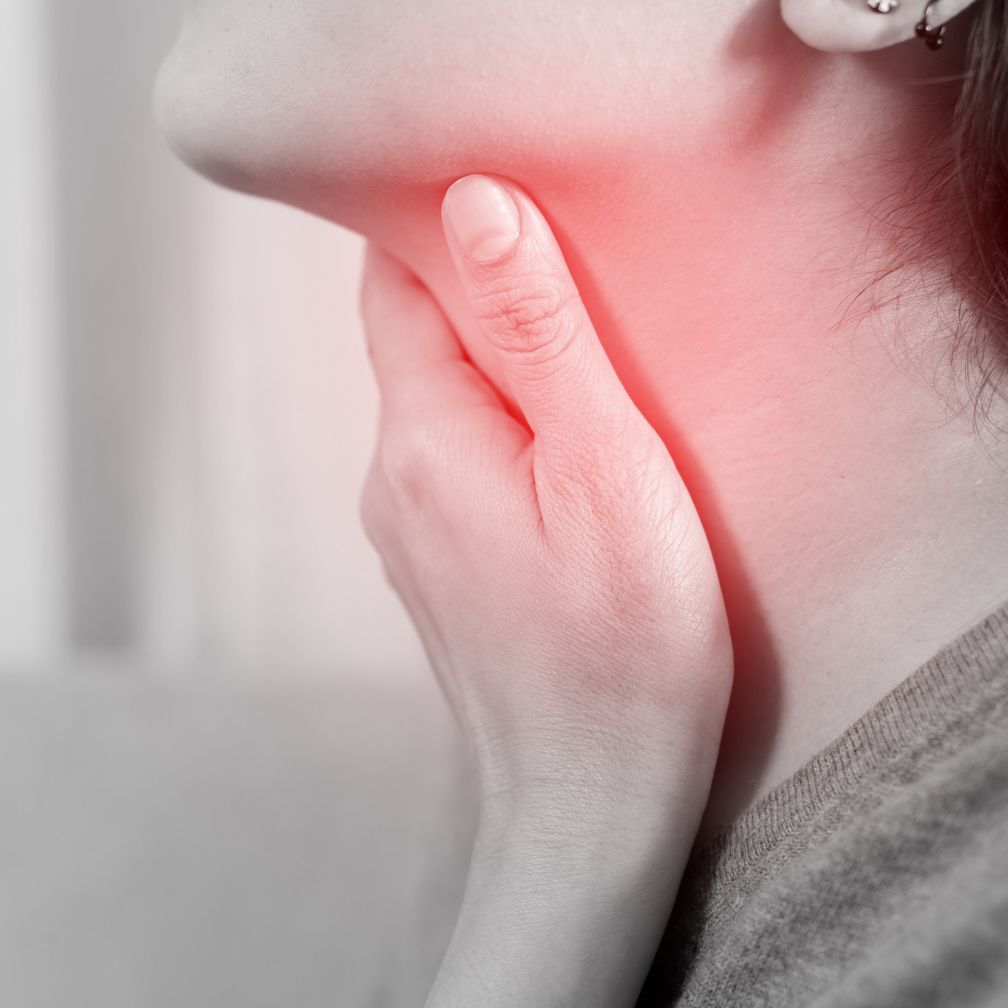
A hoarse/ raspy voice can be caused by various factors, including common illnesses like a cold or sinus infection, or more specific conditions such as laryngitis, which occurs when your vocal cords swell due to allergies, a cold, or an upper respiratory infection. In some cases, a vocal cord hemorrhage, where blood vessels in the vocal cords rupture, can lead to a hoarse voice, allowing you to speak but not sing. Gastroesophageal reflux disease (GERD) can also contribute to hoarseness when stomach acid rises through the esophagus and irritates the vocal cords. Additionally, certain neurological diseases and disorders, such as Parkinson’s Disease or the aftermath of a stroke, can affect the muscles in the larynx, leading to a hoarse voice. Non-cancerous growths like nodules, cysts, or polyps in the throat are also potential causes of this condition.

Continue reading “Causes of a Frequent Hoarse/ Raspy Voice”

Hearing Loss May Increase Your Risk Of Dementia

Most of us know someone who has hearing loss. Maybe even you. Many people still deny the reality while others have purchased new hearing aids. What you probably don’t know is that hearing loss may increase your risk of dementia. Let’s find out why and what you can do about it.

Continue reading “Hearing Loss May Increase Your Risk Of Dementia”

Dr. Varma and Mending Kids Mission Trip to Guatemala

This March, Dr. Namrata Varma went on a mission trip to Guatemala through an organization called Mending Kids, a non-profit that provides surgical care for children across the globe.

While in Guatemala, Dr. Varma and her team operated on 41 children and were able to remove tracheostomies (long-term breathing tubes placed in the neck to bypass an obstruction of the airway) in 2 patients who were once told they would need to have the tube in their neck for life.

When To See An ENT For Ear Pain

Otolaryngologist is the medical term for an ear, nose, and throat (ENT) specialist. This type of specialist treats many conditions of the ear including hearing impairment, infections, disorders affecting balance, tinnitus (ringing in the ears), and pain. Let’s learn more about when to see Southern California Ear, Nose & Throat for ear pain.

Continue reading “When To See An ENT For Ear Pain”

How Do I Know If My Eardrum Is Ruptured?

A ruptured or perforated eardrum sounds dreadfully serious. The truth is, in some cases, it can heal on its own and you won’t even know it happened. On the other hand, it is also something to be concerned about as it can present several risks to your hearing. How do I know if my eardrum is ruptured?

Continue reading “How Do I Know If My Eardrum Is Ruptured?”